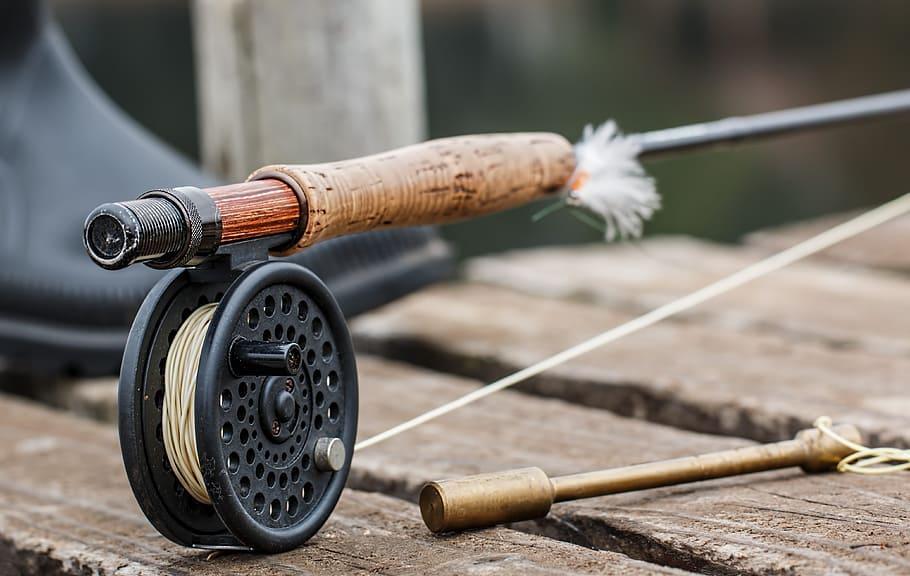
In today’s environment, where most people are constantly connected to screens, notifications, and deadlines, slowing down has become almost a lost skill. The pressure to respond quickly and stay productive often leaves little room for mental recovery. That is why activities that naturally enforce patience and stillness are becoming increasingly important for maintaining balance. Fishing is one of the clearest examples of this kind of slow, grounding experience.
At first glance, fishing may seem simple—just waiting by the water with a rod and line. But in practice, it is a deeply reflective activity that affects how people think, react, and process stress. Unlike most modern activities that demand constant input and output, fishing removes urgency entirely. There are no instant results, no fast feedback loops, and no pressure to perform at a high pace. Instead, there is waiting, observing, and adapting.
This shift in pace has a strong psychological effect. When the mind is no longer forced into rapid decision-making, it begins to settle. Thoughts become less fragmented, and internal noise starts to fade. Many people don’t realize how much mental fatigue comes from constant switching between tasks and stimuli until they experience a slower environment like fishing.
One of the most valuable lessons fishing teaches is patience without frustration. In daily life, waiting is often associated with inefficiency or delay. But in fishing, waiting is part of the process itself. Hours can pass without visible progress, yet the activity still has value. This changes how people perceive time and effort. Instead of expecting immediate outcomes, they begin to understand that some processes naturally take longer.
Another important aspect is attention control. Fishing requires a calm but alert state of awareness. You are not actively doing something every second, but you also cannot fully disconnect. Subtle changes in the environment matter—a slight movement in the water, tension in the line, or a shift in weather conditions. This balance between relaxation and readiness trains the mind to stay present without becoming overstimulated.
In contrast, modern digital environments often encourage the opposite behavior: constant switching, rapid responses, and short attention cycles. Over time, this can reduce the ability to focus deeply on a single task. Fishing helps restore that balance by encouraging sustained attention without pressure.
There is also a strong emotional component tied to uncertainty. In fishing, outcomes are never guaranteed. Some days are successful, others are not, and often there is no clear explanation for the difference. This unpredictability teaches acceptance. Instead of becoming frustrated by lack of control, experienced anglers learn to adjust their expectations and focus on the experience itself.
This mindset is highly relevant in other areas of life. Many situations—work projects, personal goals, or financial decisions—also involve uncertainty. Learning to stay calm when outcomes are unclear helps reduce stress and improve decision-making. It shifts focus from control over results to control over response.
Interestingly, this psychological balance can also be seen in modern entertainment behaviors. Activities that involve timing, patience, and risk awareness often rely on similar mental patterns. Even in digital spaces such as x3000 casino, the key experience is not just about outcome, but about how a person manages attention, expectations, and emotional control while engaging with uncertainty. The important distinction is always moderation and awareness—understanding when an activity is entertainment rather than emotional escape.
Fishing also strengthens emotional regulation in a natural way. Long periods of stillness can initially feel uncomfortable, especially for people used to constant stimulation. However, over time, the mind adjusts. Instead of reacting to every moment, it learns to observe without immediate response. This reduces impulsive thinking and creates a calmer internal state.
The environment itself plays a major role in this process. Being near water and nature has a scientifically recognized calming effect. Natural sounds, open space, and reduced artificial noise all contribute to lower stress levels. Unlike urban environments, nature does not demand attention—it allows it to rest.
Another subtle benefit of fishing is the improvement of self-awareness. When there is nothing external demanding focus, people naturally turn inward. Thoughts become more noticeable, and emotional patterns become clearer. This quiet reflection can help individuals better understand their own stress triggers and mental habits.
Fishing also introduces a healthy relationship with time. Instead of measuring success by speed or constant progress, it emphasizes presence. A single moment of action—such as a catch—becomes meaningful precisely because it is surrounded by long periods of stillness. This contrast helps redefine how value is experienced.
Socially, fishing can also be both isolating and connecting. When done alone, it provides space for introspection and mental reset. When done with others, it encourages calm, low-pressure interaction. Conversations are more natural, and silence is comfortable rather than awkward. This flexibility makes it a unique social activity.
Over time, regular engagement with slow-paced environments like fishing can have lasting effects on mental health. People often report improved patience, reduced stress reactivity, and a greater ability to focus after spending time in such settings. These changes do not come from intensity, but from repetition of calm experiences.
Ultimately, fishing is more than a leisure activity—it is a form of mental recalibration. It teaches that not everything needs to be fast, reactive, or optimized. Sometimes the most productive thing a person can do is slow down, observe, and allow time to work without interference.
In a world that constantly pushes for speed and stimulation, fishing offers something increasingly rare: stillness with purpose. And in that stillness, clarity often returns naturally.