Table of Contents
ToggleWhen planning a kitchen, bathroom, laundry room, or basement remodel, most homeowners think about the visible upgrades first: new fixtures, cabinets, flooring, tiles, or appliances. But behind the walls and under the sinks, plumbing fittings play a major role in whether the renovation runs smoothly or turns into a costly delay.
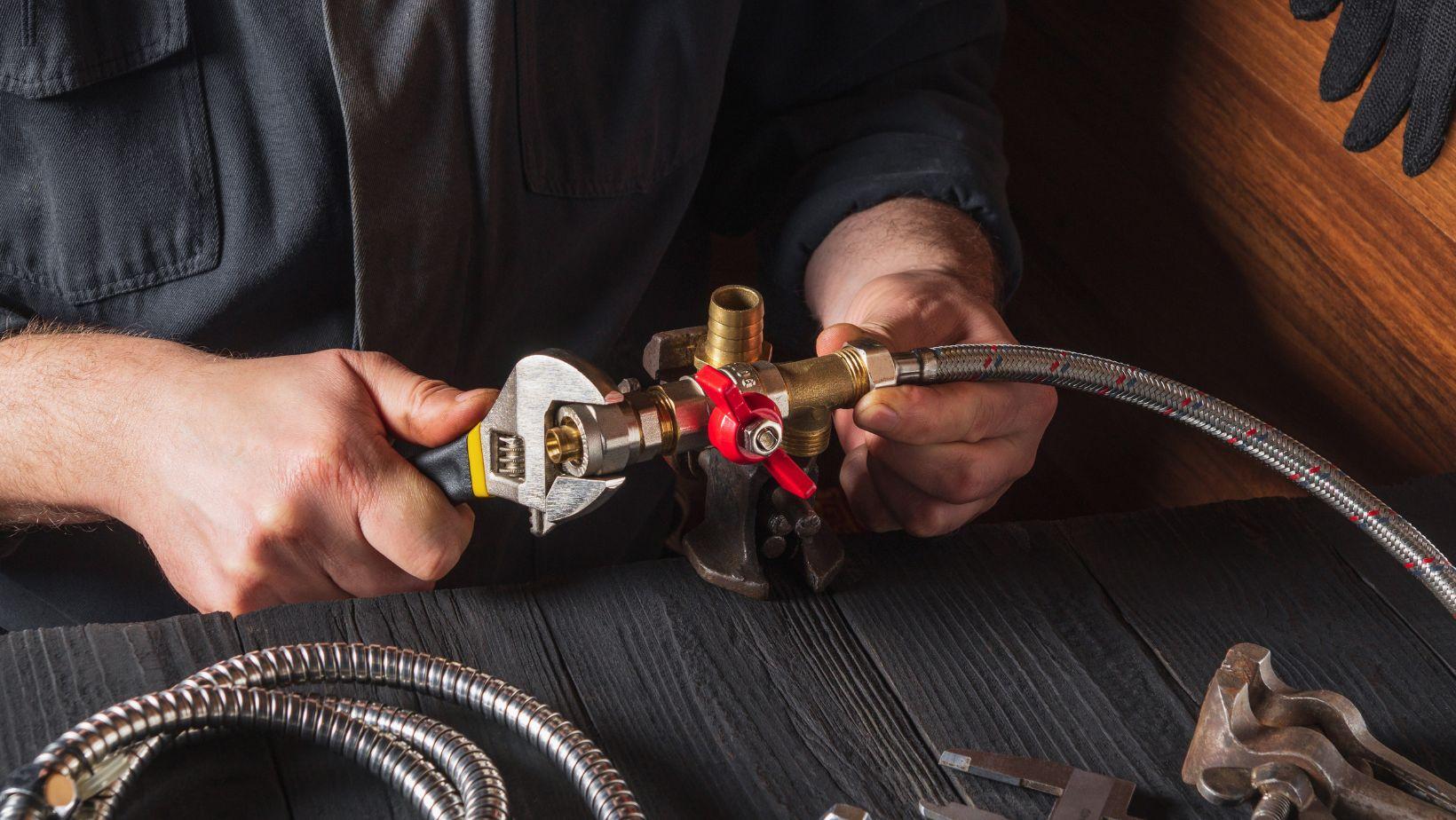
Plumbing fittings are the small but essential parts that connect, redirect, extend, or transition pipes. They may not look as exciting as a new faucet, stand-up shower installation, or shower system, but choosing the wrong fitting can lead to leaks, poor water flow, failed inspections, or last-minute trips to the hardware store. Before starting a remodeling project, it helps to understand the most common types of plumbing fittings and how they are used.
Why Plumbing Fittings Matter in a Remodel
During remodeling, existing plumbing often needs to be moved, extended, repaired, or connected to new fixtures. For example, you may need to adjust water supply lines for a new vanity, reroute drain lines for a relocated sink, or connect different pipe materials in an older home.
This is where fittings become important. The right fitting helps pipes line up correctly, maintain proper flow direction, and create a secure connection. The wrong fitting can cause layout problems, weak joints, or compatibility issues between materials.
For homeowners buying supplies ahead of time, online plumbing stores like PlumbingSell can be useful for comparing fittings, sizes, and connection types before the project begins.
Common Plumbing Fittings Homeowners Should Know
Elbows
Elbows are used to change the direction of a pipe. The most common angles are 90 degrees and 45 degrees. A 90-degree elbow creates a sharper turn, while a 45-degree elbow creates a softer change in direction.
In remodeling, elbows are often used under sinks, behind walls, around framing, or anywhere pipes need to turn toward a fixture. For drain systems, using the correct elbow matters because water and waste need proper flow. For supply lines, elbows help route pipes neatly through tight spaces.
Tees
A tee fitting is shaped like the letter “T” and is used to split or combine flow. In water supply systems, tees can branch one line into two directions. For example, a tee might be used to supply both a sink faucet and another nearby fixture.
In drain systems, tees must be chosen carefully because drainage depends on direction and slope. Not every tee is suitable for every drain application, so homeowners should avoid assuming that all T-shaped fittings work the same way.
Couplings
Couplings connect two pieces of pipe together in a straight line. They are commonly used when extending a pipe, repairing a cut section, or joining two pipe ends of the same size and material.
During remodeling, couplings are often needed when walls are opened and existing pipes need to be adjusted. Even if the project seems simple, keeping the right couplings on hand can prevent small delays.
Adapters
Adapters are used when connecting different pipe types, thread types, or connection styles. For example, an adapter may transition from a threaded connection to a sweat connection, or from PEX to a fixture connection.
Adapters are especially important in older homes where plumbing materials may not match newer products. A remodel may involve copper, PEX, CPVC, PVC, or threaded metal connections. Without the correct adapter, the new fixture or pipe section may not connect properly.
Connection Types Can Be Confusing
One of the most common mistakes homeowners make is buying a fitting based only on shape or size while ignoring the connection type.
Common connection types include:
These connection systems are not interchangeable. For example, a PEX-A expansion fitting is not the same as a PEX-B crimp fitting. A copper sweat fitting is not installed the same way as a copper press fitting. Before ordering fittings, homeowners should check the pipe material, installation method, and tool requirements.
Material Compatibility Matters
Another important factor is material compatibility. A fitting should match the pipe system and the application. PVC fittings are commonly used for drain, waste, and vent systems, while CPVC is used for certain water supply applications. PEX fittings are used with flexible PEX tubing, and copper fittings are used with copper pipe.
It is also important to consider whether the fitting is intended for potable water, drainage, heating, or another use. A fitting that looks right may not be rated for the system you are working on. Always check product descriptions, standards, and local code requirements before installation.
Common Sizing Mistakes to Avoid
Sizing is one of the biggest sources of remodeling delays. Homeowners often assume that pipe size is based on the outside measurement, but plumbing sizes are not always that simple. A fitting labeled 1/2 inch or 3/4 inch usually refers to nominal pipe size, not necessarily the exact outside diameter.
Another common mistake is mixing up connection labels. For example, MIP, FIP, compression, sweat, hub, socket, and barb all describe different connection styles. A 1/2 inch fitting with one connection type may not work with another 1/2 inch pipe or fixture connection.
Before buying, check:
Taking photos of existing pipes and labels can also help when comparing products online.
Plan Fittings Before the Remodel Starts
A smooth remodeling project usually starts with good planning. Before demolition begins, homeowners should identify which plumbing lines will stay, which need to move, and which fittings may be required. It is also smart to order extra basic fittings, such as elbows, couplings, and adapters, so small changes do not stop the entire project.
For homeowners preparing a DIY-friendly remodel or helping a contractor source parts, browsing plumbing fittings from suppliers like PlumbingSell can make it easier to compare options before installation day.
Final Thoughts
Plumbing fittings may be small, but they have a big impact on remodeling success. Understanding elbows, tees, adapters, couplings, connection types, material compatibility, and sizing basics can help homeowners avoid common mistakes and reduce project delays.
Before buying any fitting, do not rely on appearance alone. Check the pipe material, size, connection method, and intended application. With the right planning, your remodel can move faster, stay organized, and avoid unnecessary plumbing headaches.