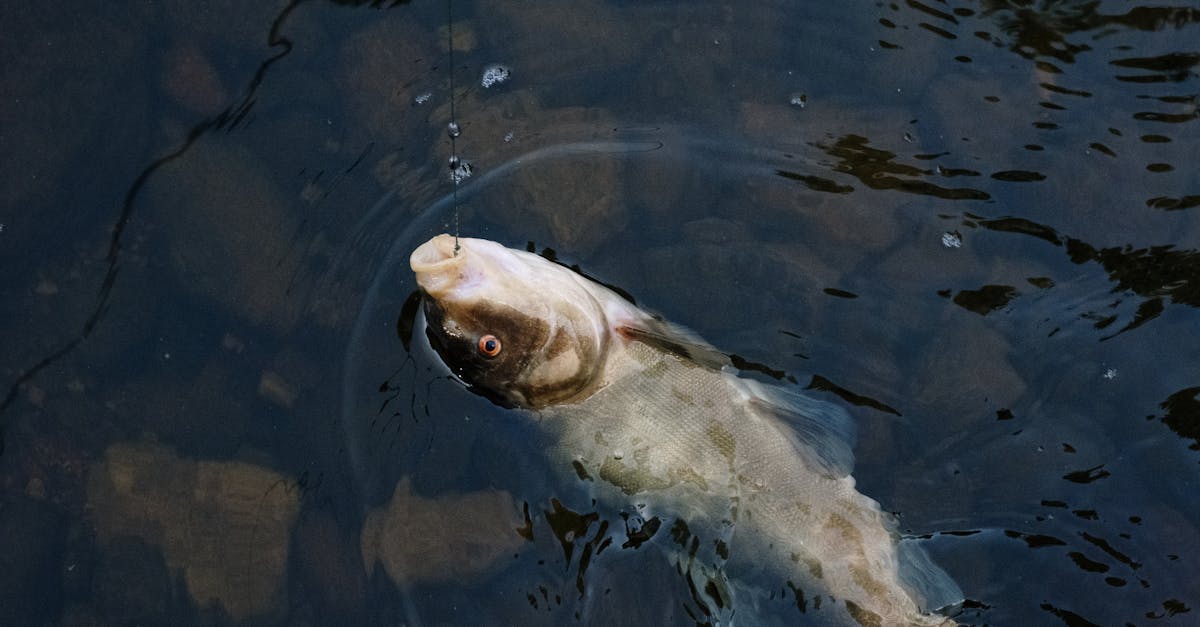
Your line twitches. You freeze. The sun’s barely up, mist curls off the water, and you’re about to find out if your fishing rig for bass is the right one. If you’ve ever wondered why some anglers haul in lunkers while others just get stories about “the one that got away,” you’re in the right place. The secret? It’s not just luck. It’s knowing which fishing rigs for bass actually work—and when to use them.
Table of Contents
ToggleWhy Your Fishing Rig for Bass Matters
Let’s be honest. You can have the fanciest rod, the flashiest lures, and a tackle box that weighs more than your cooler. But if you’re not using the right fishing rig for bass, you’re just casting and hoping. The right rig puts your bait where bass actually feed. It makes your lure move like real prey. It helps you feel every nibble, every bump, every chance to set the hook.
I learned this the hard way. My first summer chasing largemouths, I stubbornly stuck with a single rig. I caught a few, sure. But when I finally tried a Texas rig in thick weeds, I started pulling out bass I’d only seen in magazines. Here’s the part nobody tells you: the best fishing rigs for bass aren’t just about gear—they’re about matching your setup to the water, the season, and the mood of the fish.
Top Fishing Rigs for Bass (and When to Use Them)
Let’s break it down. Not all fishing rigs for bass are created equal. Some shine in clear water, others in heavy cover. Some are perfect for beginners, others reward a little finesse. Here are the rigs that actually catch fish—and why.
Texas Rig
If you fish around weeds, brush, or lily pads, the Texas rig is your best friend. It’s simple: a bullet weight, a worm hook, and a soft plastic bait. The hook point tucks into the bait, making it almost snag-proof. Slide it through thick cover where big bass hide. The Texas rig is forgiving, easy to cast, and deadly effective. I’ve lost count of how many times a slow-crawled Texas rig has saved a slow day.
Carolina Rig
Want to cover water and find scattered bass? The Carolina rig is your go-to. It uses a heavier weight above a swivel, with a leader and soft plastic trailing behind. This setup lets your bait float just off the bottom, moving naturally as you drag it. It’s perfect for deeper water or when bass are spread out. I once watched a friend outfish everyone on the boat with a Carolina rig and a simple lizard bait—sometimes, subtle wins.
Drop Shot Rig
When bass get picky, the drop shot rig shines. It suspends your bait above the weight, letting it dance in place. This is the rig for clear water, pressured fish, or when you need finesse. I’ve used a drop shot to coax bites from bass that ignored everything else. Try a small worm or minnow imitation, and keep your movements subtle. If you like feeling every twitch, this rig’s for you.
Wacky Rig
Sometimes, simple is best. The wacky rig is just a soft stickbait hooked through the middle. No weight, no fancy knots. Cast it near docks, laydowns, or shallow cover. The bait flutters as it sinks, and bass can’t resist. I’ve seen kids outfish seasoned pros with nothing but a wacky rig and a smile. If you want easy bites, start here.
Ned Rig
Small bait, big results. The Ned rig uses a short, stubby soft plastic on a light jig head. It’s magic in tough conditions—cold fronts, high pressure, or when bass just won’t chase. Drag it slowly along the bottom. The subtle action triggers bites from even the most stubborn fish. I once caught a five-pounder on a Ned rig when nothing else worked. Sometimes, less is more.
How to Choose the Right Fishing Rig for Bass
Here’s where most anglers get stuck. With so many fishing rigs for bass, how do you pick the right one? Start with these questions:
- What’s the water like? (Clear, stained, weedy, rocky?)
- How deep are you fishing?
- Are the bass active or sluggish?
- What’s the weather doing?
If you’re fishing heavy cover, go Texas. Open water? Try Carolina. Clear, deep water? Drop shot. Shallow, calm days? Wacky or Ned. Don’t be afraid to switch it up. The best anglers adapt. I’ve had days where I cycled through three rigs before finding what the bass wanted. That’s not failure—it’s fishing.
Common Mistakes with Fishing Rigs for Bass
Let’s get real. Everyone messes up. I’ve lost fish to bad knots, missed bites because I used the wrong weight, and wasted hours fishing the wrong rig. Here are mistakes to avoid:
- Using too heavy a weight—your bait looks unnatural
- Not matching hook size to your bait
- Fishing a Texas rig in open water (try Carolina instead)
- Ignoring finesse rigs when the bite gets tough
- Not retieing after catching a fish—knots can weaken
Here’s the part nobody tells you: every mistake is a lesson. The best anglers aren’t perfect—they just learn faster.
Pro Tips to Maximize Your Catch
Want to catch more bass? Try these tips:
- Always check your line for nicks—bass love to break weak spots
- Use scent or attractant on soft plastics for extra appeal
- Vary your retrieve—sometimes a pause triggers a strike
- Fish early and late—bass feed more at dawn and dusk
- Keep a log of what works (and what doesn’t)
If you’ve ever felt stuck, remember: every cast is a chance to learn. The right fishing rig for bass is just the start. The real secret is paying attention, trying new things, and not giving up when the bite gets tough.
Who Should Use These Fishing Rigs for Bass?
If you’re new to bass fishing, start with the Texas or wacky rig. They’re easy, forgiving, and catch fish almost anywhere. If you love tinkering and want to outsmart pressured bass, try the drop shot or Ned rig. If you fish big lakes or want to cover water fast, the Carolina rig is your friend. These rigs aren’t for folks who want instant results without effort. Bass fishing rewards patience, curiosity, and a willingness to try, fail, and try again.
Next Steps: Take Your Fishing Rigs for Bass to the Water
Here’s what nobody tells you: the best fishing rigs for bass are the ones you actually use. Don’t get paralyzed by choices. Pick a rig, tie it on, and start fishing. Pay attention to what works. Change things up when you need to. The more you experiment, the more you’ll learn—and the more bass you’ll catch. The next time your line twitches, you’ll know you made the right call. Now get out there and make some memories.