Fishing is considered one of the most accessible and rewarding outdoor activities, making it an ideal choice for beginners of all ages. It requires relatively little physical exertion, can be enjoyed in a variety of natural settings, and offers a balance of relaxation and skill-building. Fishing provides an opportunity to disconnect from daily routines while learning about local ecosystems and wildlife. Having the right equipment, understanding basic techniques, and knowing how to fish responsibly all contribute to having fun.
Essential Fishing Gear for Beginners
A successful fishing trip begins with a simple but complete set of gear. In many locations, a valid fishing license is required, and obtaining one helps support fisheries management and conservation efforts. A rod and reel combo is the easiest starting point. Closed spin-casting reels are intuitive and reduce line tangles, while open-bail spinning reels offer greater versatility as skills develop. These combos are widely available and eliminate the need for a separate setup.
Monofilament fishing line is recommended for beginners due to its flexibility, affordability, and ease of use. Hooks in sizes 6 to 10 cover a broad range of common freshwater fish and are suitable for most beginners. Sinkers and bobbers help control bait depth and indicate bites, making them essential learning tools. Bait or lures can vary depending on species and location, and local regulations may restrict live bait, making it important to check the rules in advance.
A rubber fishing net and protective gloves assist with safely landing and handling fish, reducing stress on both the angler and the catch. A basic tackle box keeps equipment organized and typically includes small safety tools such as pliers, scissors, or line cutters.
Planning and Preparing for Your Fishing Trip
Choosing the right location can influence early success. Lakes and ponds are often recommended for beginners due to calmer water and predictable conditions, while rivers introduce moving currents that require additional skill. Coastal spots like Siesta Key Fishing areas are also a nice choice for beginners who want to try saltwater fishing seasons, catch limits, and permitted gear vary by area.
Practicing casting techniques in an open space before the trip can help build coordination and reduce frustration. Basic etiquette also matters. Maintaining distance from other anglers, minimizing noise, and respecting the surrounding environment contribute to a positive experience for everyone.
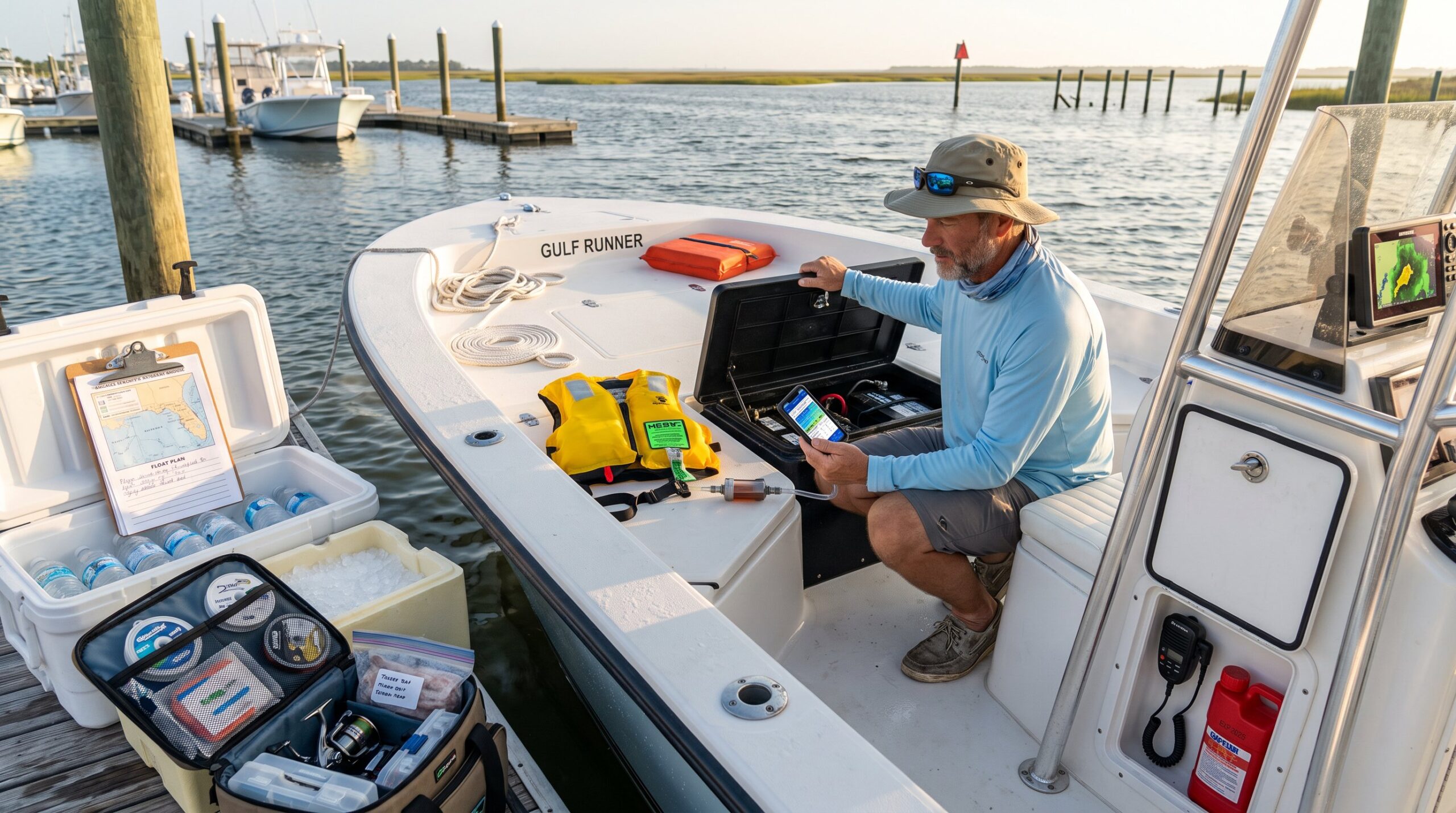
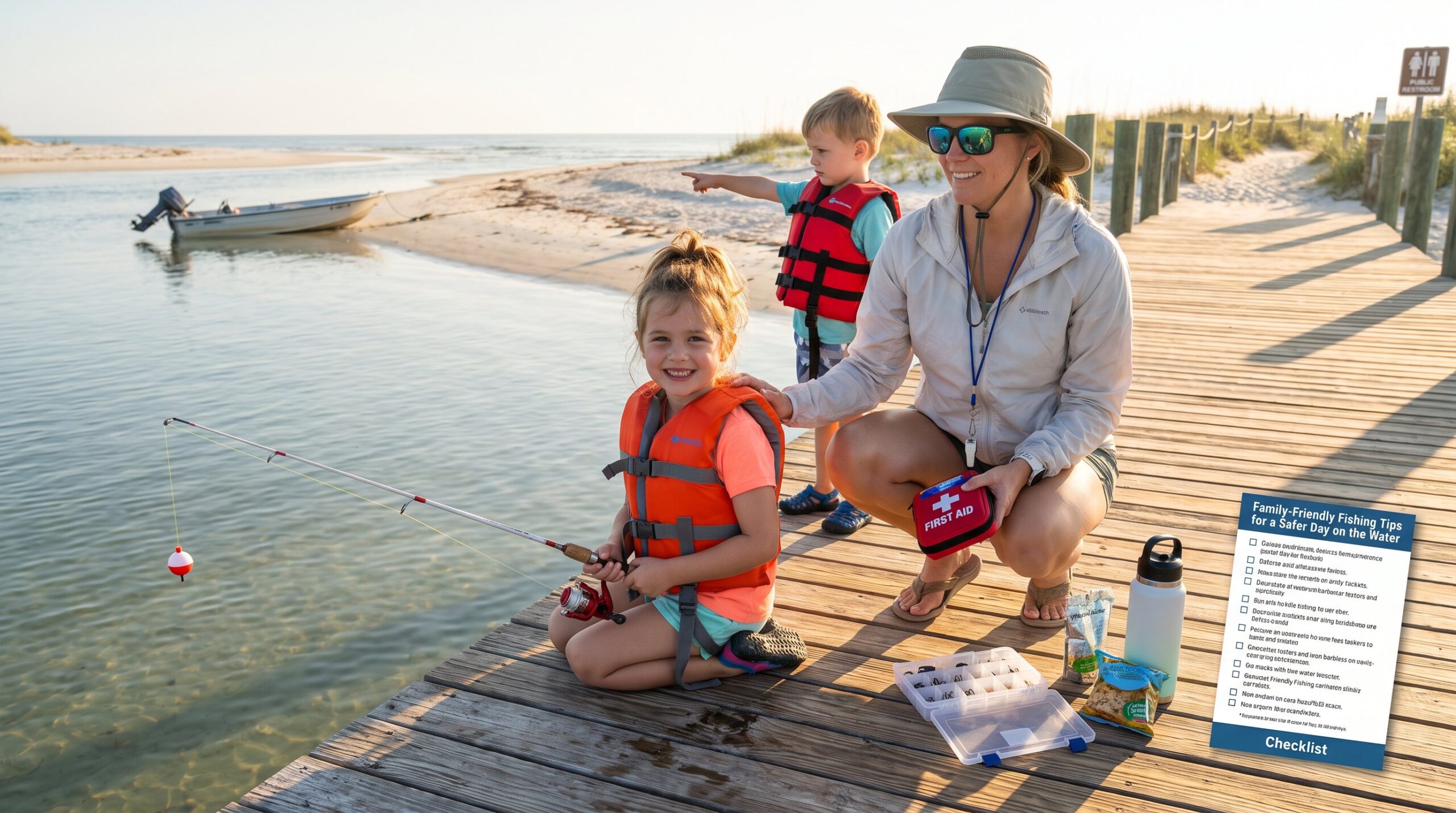
Safety considerations include wearing personal flotation devices near deeper water, handling hooks carefully, and being mindful of weather conditions. Foundational skills such as tying an improved clinch knot or learning to read water movement can be developed gradually.
Saving on Fishing Gear: Tips for Budget-Conscious Beginners
Fishing gear can range widely in price, and initial costs may feel intimidating to new anglers. However, several strategies make it possible to acquire quality equipment without overspending.
Thrifting is one effective approach. Outdoor resale shops, second-hand sporting goods stores, and online marketplaces often carry gently used rods, reels, and tackle at reduced prices. Many of these items remain highly functional and suitable for beginners.
Borrowing equipment is another practical option. Some libraries, wildlife refuges, and state agencies offer public tackle loaner programs designed to introduce people to fishing without requiring immediate investment. These programs reduce barriers to entry and allow beginners to test different setups before purchasing their own gear.
Discounts and coupons also play an important role in cost management. These savings opportunities can be found quite easily on the reliable Discoup.com/us website, which compiles coupon codes for fishing gear and outdoor equipment, helping shoppers compare offers across retailers. Using discount platforms allows beginners to access higher-quality rods, reels, or accessories that might otherwise exceed budget limits. This approach supports informed decision-making by prioritizing durability and value rather than opting for the cheapest available option. Thoughtful spending early on often results in gear that lasts longer and performs more reliably.
Fishing Responsibly: Conservation and Catch & Release
Responsible fishing practices ensure that waterways remain healthy for future generations. For example, releasing fish that are too small or not intended for consumption helps maintain sustainable populations. For catch and release, fish should be kept wet, handled gently with rubber nets or gloves, and returned to the water promptly. Environmental responsibility also includes removing all trash, fishing line, and packaging from the area. Unused bait should never be introduced into new bodies of water, as this can spread invasive species or disease.
With basic preparation, suitable gear, and an understanding of responsible practices, beginners can enjoy a rewarding first experience. As confidence grows, exploring new techniques, locations, or specialized equipment becomes a natural progression. Continuing to learn through beginner guides and educational resources helps build skills over time.