Table of Contents
ToggleThunder on the gulf fishing starts best with clear timing and simple checks. The guide names prime tides, season windows, and safe weather choices. It helps anglers pick days, gear, and spots. It shows how storms change fish behavior and how anglers can act safely and smartly on the Gulf.
Key Takeaways
- Thunder on the gulf fishing is best timed around moving tides, especially two hours before and after tide changes, during spring and autumn seasons.
- Anglers must monitor local weather, radar, and thunderstorm activity closely for safety, canceling trips when lightning is within 10 miles.
- Target species like redfish, trout, and sheepshead gather near structure and cover after storms, making hotspots like grass flats and oyster lines ideal fishing spots.
- Using versatile gear such as light to medium spinning rods, braided line, and live baits improves success in the dynamic Gulf conditions.
- Fishing techniques post-storm include slower approaches, longer casts, and using darker lures to match lower visibility, capitalizing on aggressive feeding windows.
- Safety equipment like life jackets, VHF radios, and proper communication devices are essential when fishing during thunder on the Gulf.
When To Go: Tides, Seasons, And Weather Windows For Gulf Fishing
Anglers plan trips around tides, season, and weather. They favor the two hours before and after a moving tide change for feeding redfish and trout. They choose spring and autumn for cooler water and steady shrimp runs. They avoid full heat of summer midday for inshore work. Thunder on the gulf fishing often peaks at outgoing tides near structure. Anglers check local tide charts and pick days with low wind for easier casting and sight fishing.
Reading Gulf Weather And Thunderstorms: What Anglers Need To Know
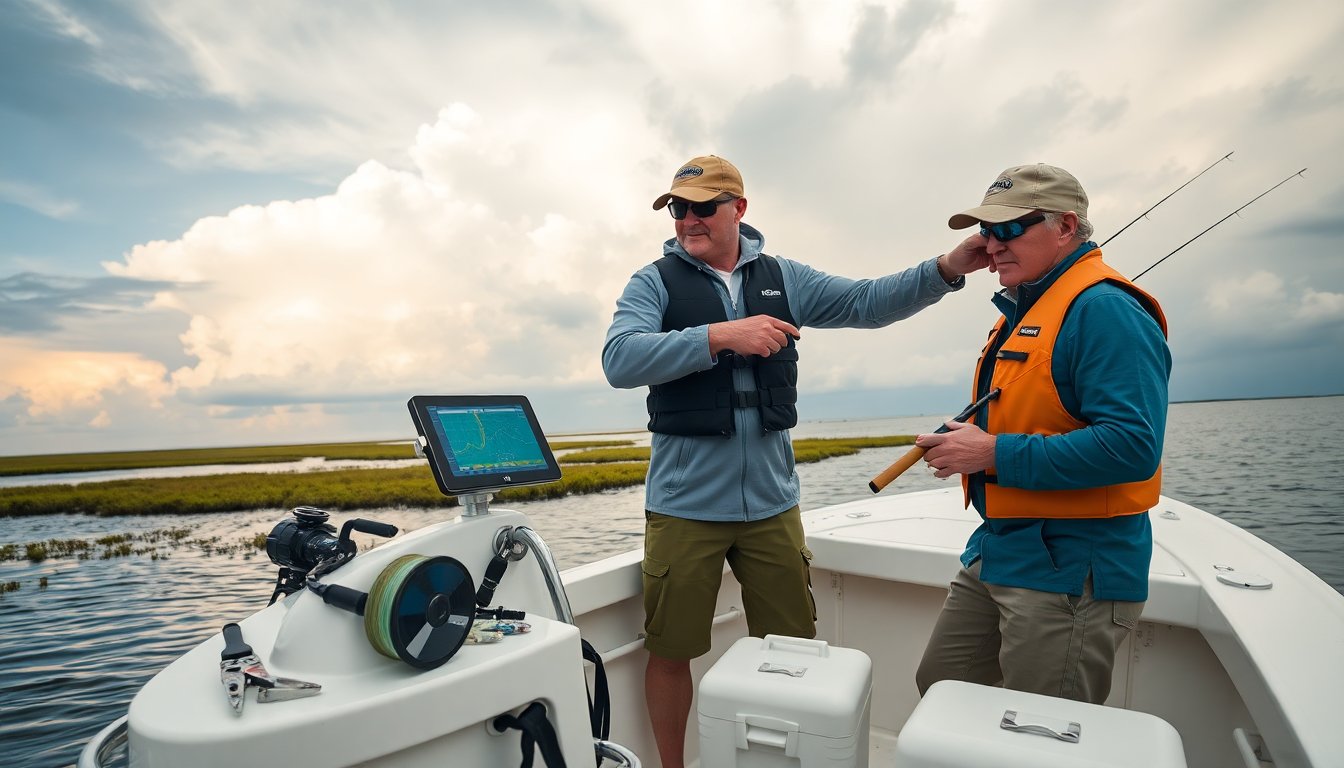
They read radar before launch. They watch for isolated thunder cells that can form fast over warm water. They track wind direction, wind speed, and barometer drops. They treat distant thunder as a cancel signal for small boats. They kit life jackets, VHF radio, and a charged phone for short storms. They wait at the dock for squalls to pass when lightning is within 10 miles. Thunder on the gulf fishing demands strict attention to safety and timing.
Target Species And Proven Hotspots Along The Gulf Coast
They aim for redfish, trout, and sheepshead in different zones. They target grass flats, oyster lines, and nearshore reefs. They fish shallow bays for speckled trout at dawn. They look for redfish near cuts, marsh edges, and structure during tide pushes. They find sheepshead near pilings, jetties, and shell beds around tide change. Thunder on the gulf fishing moves fish into cover, and anglers use known hotspots after storms for strong bites.
Gear, Tackle, And Bait: Kits That Work On The Gulf
They carry light to medium spinning rods and one heavier outfit for larger reds. They spool 10–20 lb braid with a 20–30 lb leader for strength and feel. They pack soft plastics, topwater plugs, and shrimp imitations. They bring live shrimp, fiddler crabs, and peeled shrimp for near-structure work. They keep a pair of long-nosed pliers, a dehooker, and a small net. Thunder on the gulf fishing favors gear that resists sudden wind and current shifts.
Techniques For Fishing During And Immediately After Storms
They slow their approach when the water clears after a storm. They make longer, accurate casts to avoid spooking fish in low visibility. They fish deeper water edges where bait settles after strong current. They switch to darker lures or natural live bait when light drops. They expect aggressive feeding in the first hour after a storm passes. They practice extra safety when lightning lingers. Thunder on the gulf fishing can create short windows of heavy action, and anglers who act fast often land the best fish.