Table of Contents
ToggleThunderOnTheGulf eco friendly fishing practices set clear standards for anglers in the Gulf. The guide shows simple steps to protect habitat, reduce bycatch, and keep fish populations healthy. It explains what to do on the boat, how to handle fish, and how to follow local rules. It aims to help anglers make practical choices that lower harm and support future fishing.
Key Takeaways
- ThunderOnTheGulf eco friendly fishing practices guide anglers to protect vital Gulf habitats and maintain healthy fish populations through responsible actions.
- Implementing on-boat techniques like securing gear, using single-hook rigs, and minimizing bait spills reduces environmental impact and bycatch.
- Choosing sustainable gear such as biodegradable sinkers and joining gear-recycling programs helps lower waste and protect wildlife.
- Proper fish handling and catch-and-release methods increase survival rates and support ongoing monitoring efforts in the Gulf.
- Following local regulations, seasonal closures, and reporting unusual catches or pollution enhances conservation and management effectiveness.
- Active participation in ThunderOnTheGulf eco friendly fishing practices fosters community engagement and long-term sustainability of Gulf fisheries.
Why Eco-Friendly Fishing Matters In The Gulf Ecosystem
The Gulf holds vital habitats that support fish, birds, and coastal communities. ThunderOnTheGulf eco friendly fishing practices encourage anglers to protect seagrass beds, oyster reefs, and mangrove fringes. Damage to these sites reduces nursery space and lowers fish recruitment. Pollution and discarded gear harm wildlife and drive down catch rates. Anglers who follow eco friendly rules help maintain healthy water quality and stable fish numbers. Local fisheries managers use data from anglers to set size and bag limits. ThunderOnTheGulf eco friendly fishing practices stress reporting of unusual catches and injured animals. That data helps scientists adjust rules and target habitat restoration. Small changes by each angler add up to measurable benefits for the Gulf.
Practical On-Boat Techniques To Reduce Environmental Impact
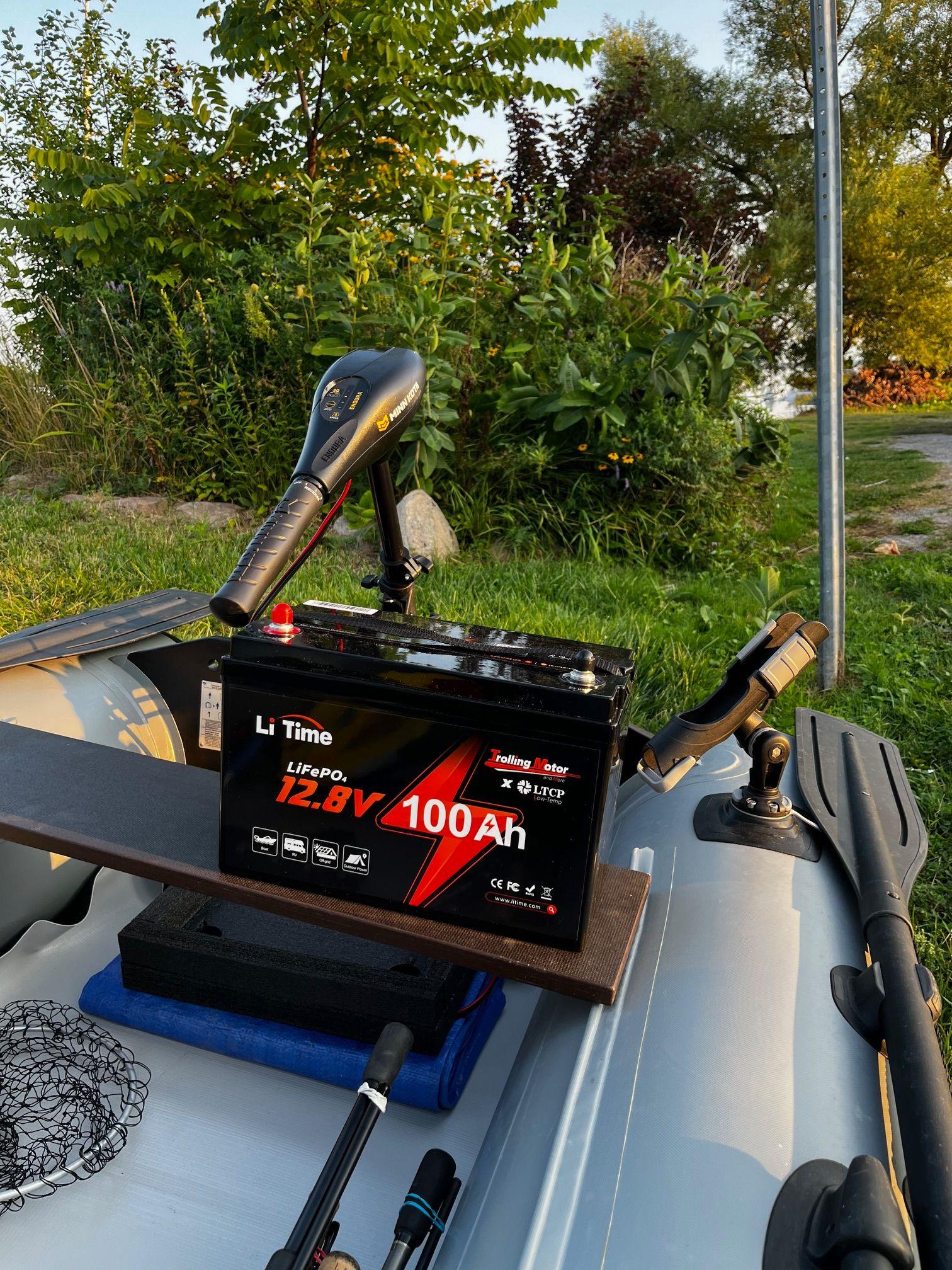
Anglers can change daily habits to lower impact. ThunderOnTheGulf eco friendly fishing practices recommend securing all gear to prevent loss. Lost traps, lines, and nets continue to catch animals. The guide advises using single-hook rigs to reduce bycatch and faster fights. Anglers should use barbless or crimped barbs to speed release. The guide suggests minimizing chum and bait spills. Excess bait can attract predators and alter local food webs. Anglers should store trash and fishing line in closed containers. The guide promotes routine checks of the hull and prop to avoid oil or fuel leaks. Anglers should use electric or low-emission motors when possible. They should also choose waterways and times that avoid sensitive areas and breeding seasons. ThunderOnTheGulf eco friendly fishing practices recommend cleaning equipment between trips to reduce spread of invasive species.
Sustainable Gear And Tackle Choices
Anglers can pick gear that reduces harm. ThunderOnTheGulf eco friendly fishing practices favor lighter nets and circle hooks to lower deep hooking. The guide suggests monofilament removal tools and line cutters on board. Anglers should replace old line to prevent breakage and ghost fishing. The guide promotes using biodegradable sinkers where local rules allow. It recommends tackle bags with labeled compartments to avoid lost items. ThunderOnTheGulf eco friendly fishing practices support purchasing recycled or repairable gear. The guide encourages anglers to join local gear-recycling and line-collection programs. These steps reduce landfill waste and lower the incidence of entanglement for sea turtles and birds.
Catch-And-Release Best Practices And Fish Handling
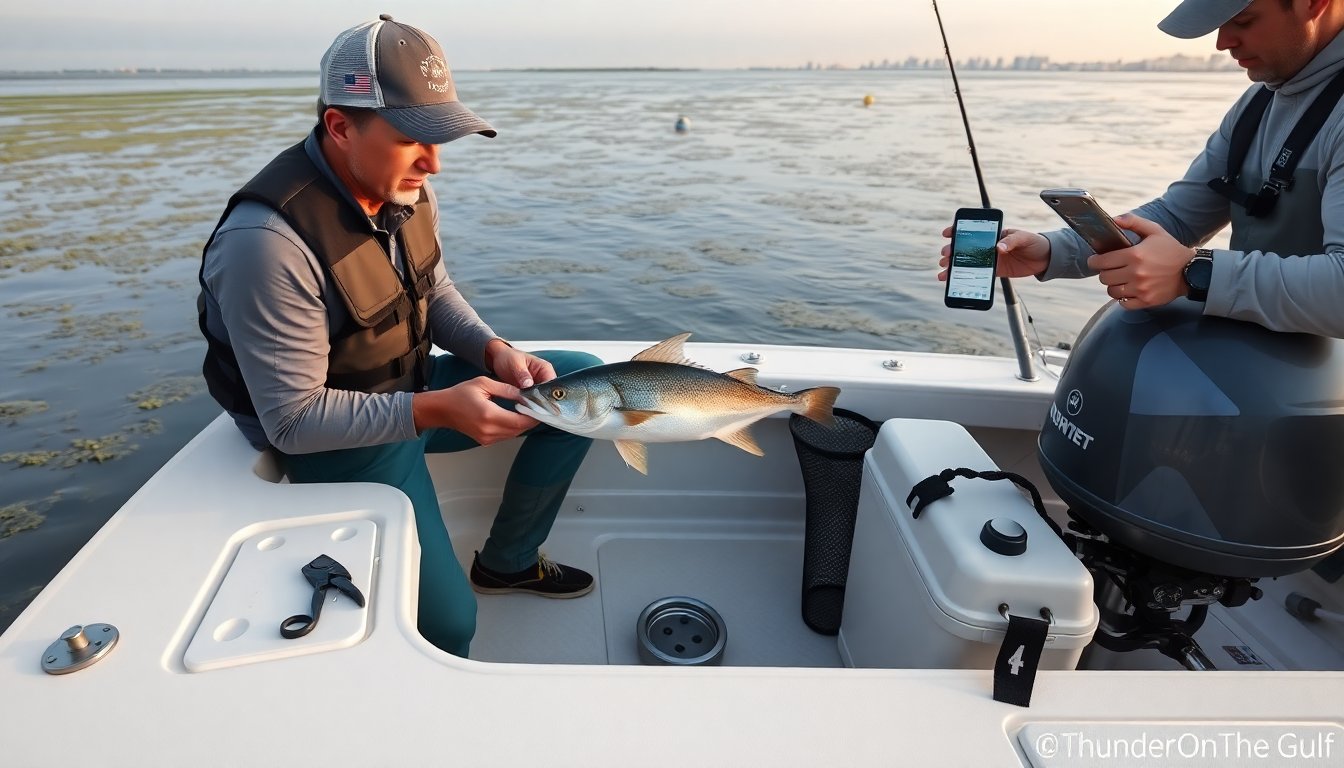
Proper handling increases survival after release. ThunderOnTheGulf eco friendly fishing practices teach anglers to wet hands before contact and to use soft, knotless nets. The guide says anglers should keep fish in the water as much as possible during unhooking. When anglers remove hooks, they should use long-nose pliers and cut the line if the hook sits deeply. The guide recommends reviving fish with slow head-to-tail movement in water until the fish swims away. Anglers should avoid lifting large fish by the jaw or gills. ThunderOnTheGulf eco friendly fishing practices advise limiting fight time by using appropriate tackle for the species. The guide suggests recording length and condition when anglers release a fish to help monitoring programs.
Local Regulations, Seasonal Considerations, And Reporting
Anglers must follow local rules for seasons, size limits, and protected areas. ThunderOnTheGulf eco friendly fishing practices remind anglers to check state and federal regulations before each trip. The guide highlights temporary closures and habitat protections that change by year. Anglers should respect posted signs and buoy markers that indicate no-take zones. The guide encourages participation in local reporting programs for tagged or unusual species. ThunderOnTheGulf eco friendly fishing practices ask anglers to report gear loss, pollution events, and injured animals to authorities. The guide recommends using official apps and hotlines to submit photos and GPS coordinates. That information helps managers respond quickly and adjust management. Anglers who join local groups can learn updates and volunteer for habitat projects. ThunderOnTheGulf eco friendly fishing practices promote active participation in community science and compliance with rules.