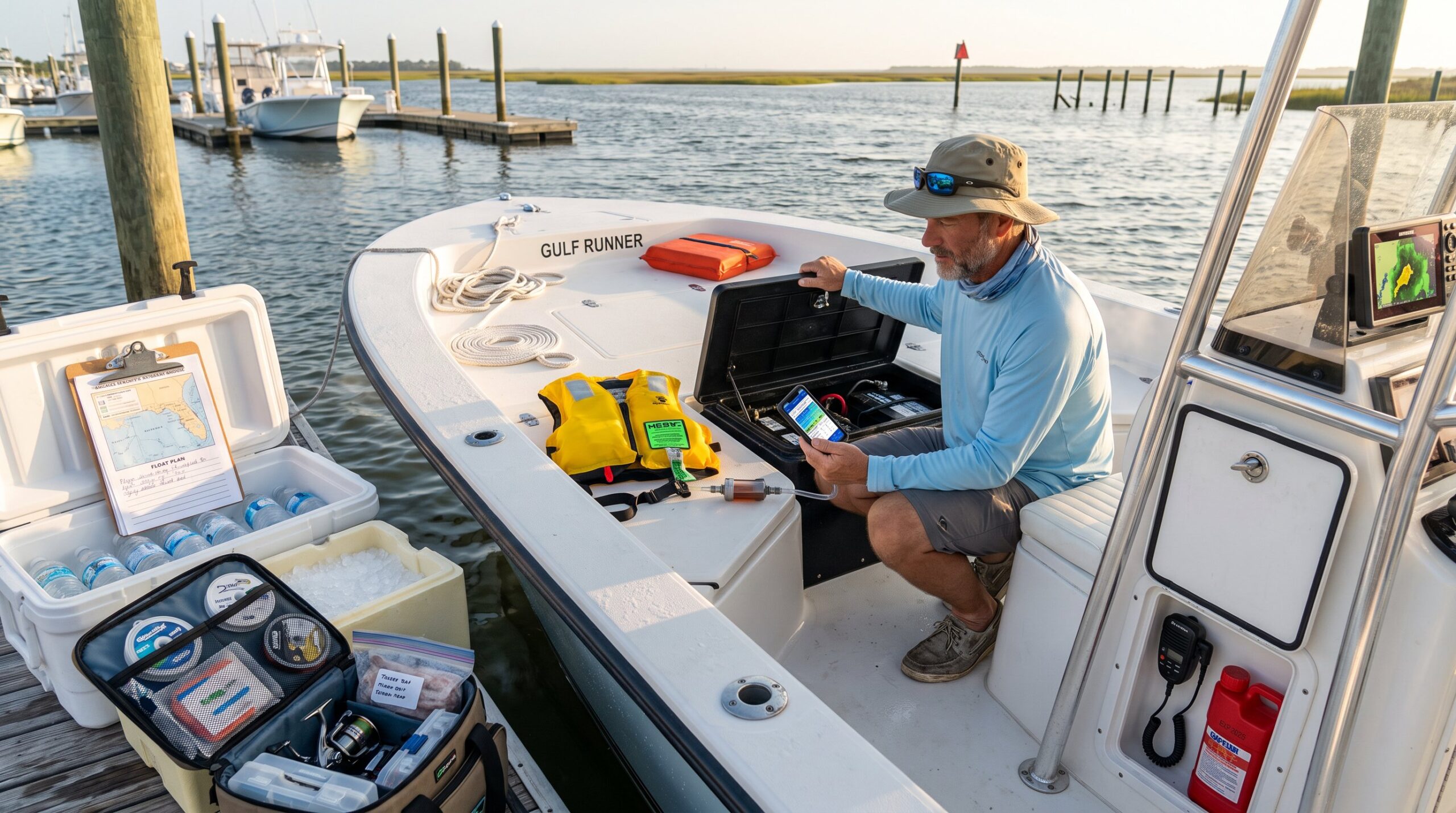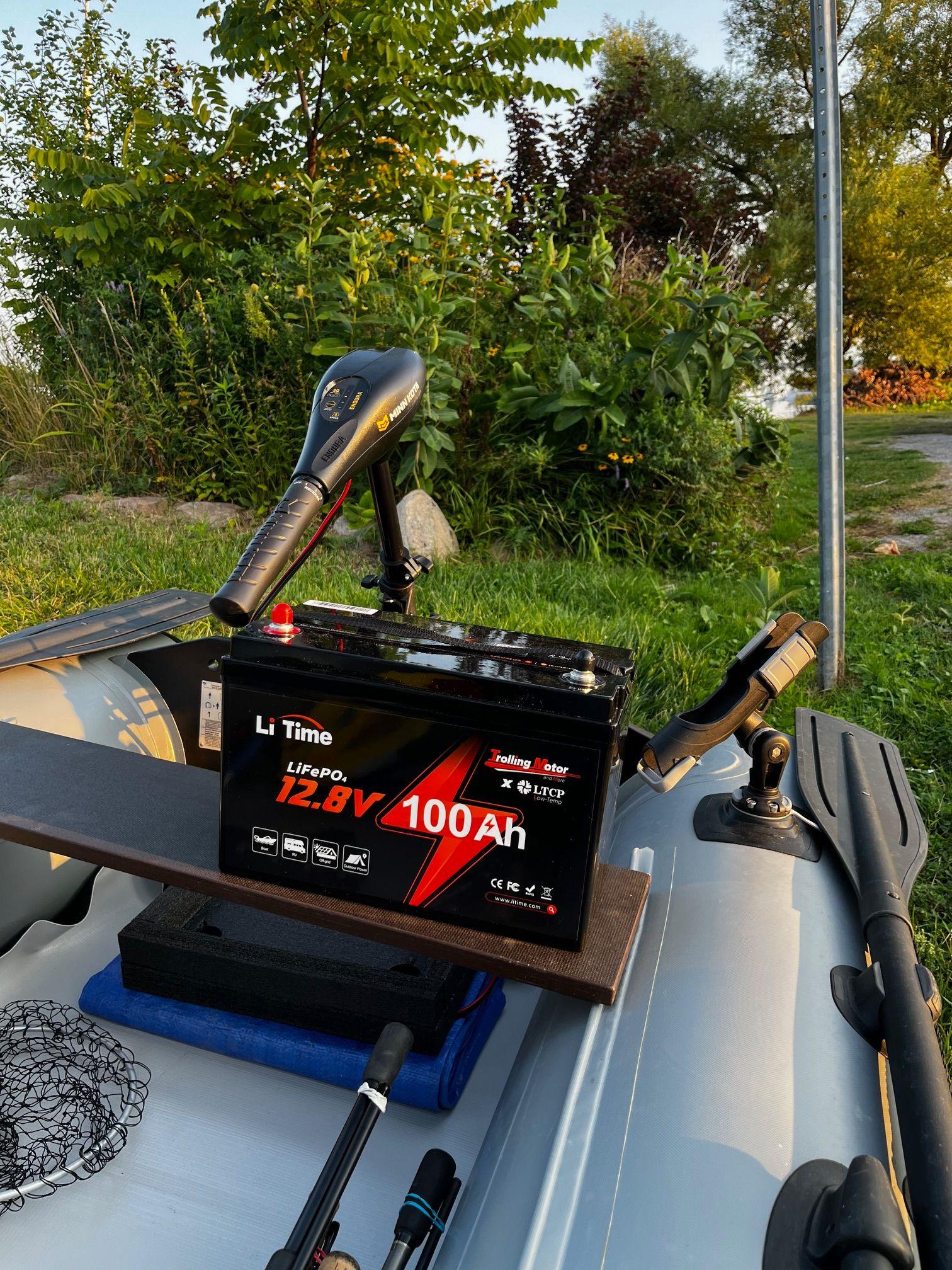
A boat battery may need to start an engine, run electronics, operate a trolling motor, or support lights and pumps while the engine is off. Choosing the wrong type can mean weak cranking, short run time, or early battery failure.
The right choice depends on how the boat is used. A small runabout has very different electrical needs from a fishing boat running a trolling motor for hours or a cruiser with a larger house load.
Looking at battery chemistry alone is not enough. The job, capacity, charging setup, weight, and maintenance all matter.
First, Match the Battery to the Job
Before comparing chemistry, decide what the battery must actually do. Starting, deep-cycle, and dual-purpose batteries are designed for different patterns of electrical use.
Starting Batteries Need Strong Cranking Output
A starting battery delivers a large burst of current for a short period. Its main job is turning the engine over quickly.
Check the engine manufacturer’s minimum marine cranking amps (MCA) or cold cranking amps (CCA) requirement before buying. Choosing a battery below that requirement can lead to difficult starting, especially when temperatures drop or the battery is partly discharged.
Using a starting battery to run electronics for long periods is another common mistake. Repeated deep discharge can shorten its working life because starting batteries are not normally designed for that type of use.
Deep-Cycle Batteries Run Equipment for Longer
Deep-cycle batteries are made for steadier discharge followed by recharging. They are commonly used for trolling motors, fish finders, lighting, pumps, refrigerators, and other house loads.
For many boats, the best marine battery setup is not a single battery at all. A dedicated starting battery paired with a separate deep-cycle house bank can be a safer arrangement. Accessories can then run without using the reserve needed to restart the engine.
Dual-Purpose Batteries Suit Simpler Setups
Dual-purpose batteries try to balance starting ability with moderate deep-cycle use. They can work well on smaller boats where space is limited, and the electrical load is not especially heavy.
They are less suitable when the boat has a large number of accessories running for long periods. In that situation, separate starting and house batteries are usually easier to manage.
Lithium vs. AGM vs. Flooded Lead-Acid
All three battery types can work well when matched to the boat and charging system. AGM is technically a form of lead-acid battery, but it differs from traditional flooded batteries in construction and maintenance.
Lithium: Low Weight and Strong Deep-Cycle Performance
Marine lithium systems commonly use lithium iron phosphate, often called LiFePO4. These batteries are much lighter than many lead-based alternatives of similar capacity, which can matter on smaller boats or vessels carrying several batteries.
A lithium battery can also provide a large portion of its stored capacity before recharge. That makes it useful for trolling motors and house banks where repeated cycling is common.
Compatibility is important, though. The charger, alternator arrangement, solar controller, and inverter/charger should all be checked before installation. Lithium batteries also use a battery management system that helps control charging, discharging, temperature, and other operating limits.
For engine starting, choose only a lithium model specifically designed and rated for cranking. A deep-cycle lithium battery should not automatically be treated as a starting battery.
AGM: Low Maintenance and Familiar Charging Systems
AGM stands for absorbed glass mat. The electrolyte is held in fiberglass separators rather than moving freely inside the case.
Because AGM batteries are sealed, they normally do not need routine water topping. They are also resistant to spills when installed correctly and can handle vibration better than many traditional flooded batteries.
AGM batteries are available in starting, deep-cycle, and dual-purpose designs. They usually cost more than flooded batteries, but they appeal to boat owners who want less routine maintenance without moving to lithium.
Flooded Lead-Acid: Lower Purchase Cost
Traditional flooded lead-acid batteries remain common because they are widely available and often cost less upfront.
They are sold in both starting and deep-cycle versions, making them suitable for many basic marine setups. However, they require more care.
Some flooded batteries need electrolyte levels checked from time to time, with distilled water added when necessary. Proper mounting and ventilation are also important because gases can be released during charging.
Quick Comparison for Typical Boating Needs
Price is only one part of the decision. Weight, maintenance, expected use, available space, and charging equipment should also be considered.
|
Battery Type |
Main Strength |
Main Limitation |
Common Use |
|
LiFePO4 |
Low weight and strong deep-cycle use |
Higher upfront cost and charging requirements |
Trolling motors, house banks |
|
AGM |
Sealed and low maintenance |
More expensive than many flooded batteries |
Starting, house, dual-purpose |
|
Flooded lead-acid |
Lower purchase cost |
Heavier and needs more routine care |
Basic starting and budget setups |
What to Check Before Buying
The label on the battery tells only part of the story. A battery still needs to fit the boat physically and work correctly with the electrical system.
Check These Five Points
Capacity deserves extra attention on boats with several accessories. For example, a trolling motor, fish finder, navigation equipment, and lights can create a much larger combined load than a single device. Planning around total usage gives a better result than selecting capacity by guesswork.
Mistakes That Can Shorten Battery Life
Even a good battery can perform poorly if the surrounding system is not suitable. Installation and charging habits often matter just as much as the battery itself.
Mixing Batteries Without Checking Compatibility
Avoid casually mixing different battery chemistries in the same bank. Flooded, AGM, and LiFePO4 batteries can require different charging profiles.
Mixing old and new batteries in one bank may also lead to uneven charging and discharge. If one battery fails, it is worth checking the age and condition of the others before replacing only a single unit.
Buying Based on One Number
A high amp-hour rating does not mean a battery is suitable for starting an engine. In the same way, a high cranking rating does not mean the battery is built for repeated deep discharge.
Always read the intended application along with the electrical ratings.
Conclusion
The best marine batteries are the ones matched to the boat’s real electrical needs. LiFePO4 is well suited to weight-sensitive boats and repeated deep-cycle use, AGM offers low maintenance with familiar marine applications, and flooded lead-acid remains a practical option for owners focused on lower initial cost.
Start by deciding whether the battery must start the engine, support house loads, or do both. Then compare capacity, cranking output, charging compatibility, weight, maintenance, physical size, and overall cost. That approach makes it much easier to choose a marine battery that fits the boat instead of choosing one based on price or a single specification.