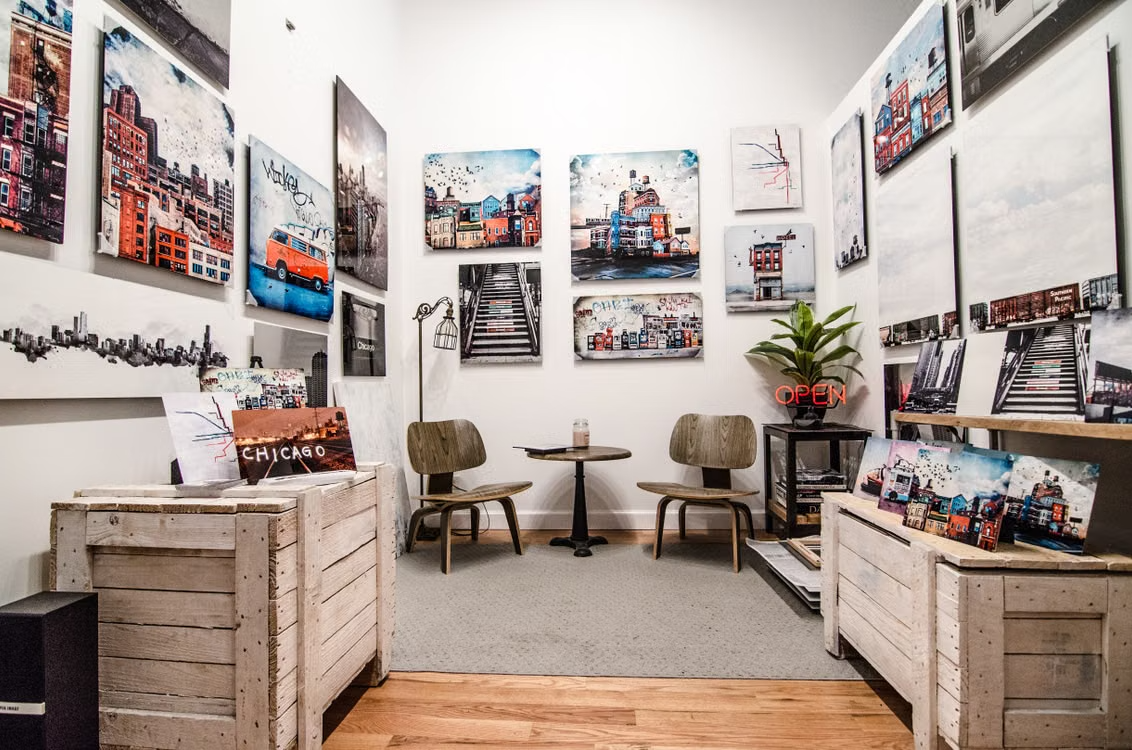
Metal printing puts photographs straight onto aluminum panels instead of paper. The ink doesn’t just sit on the surface. A special coating on the metal actually absorbs the colors. Because of this, the final piece is tough and rigid, meaning you don’t need to put it behind glass or buy a regular frame. Galleries, businesses, and professional photographers use metal because the images last a long time and the contrast stays sharp.
As print technology improves, more people are choosing aluminum to display their work. These panels handle moisture well and don’t fade or scratch easily, giving them a big advantage over standard paper prints. Making them requires heavy-duty machinery, so photographers have to send their files out to commercial print labs. If you want to find reliable metal prints in Canada, you have to weigh local labs against overseas options. It usually comes down to finding the right mix of print quality, price, and shipping times.
The Dye Sublimation Process
Most high-quality metal prints utilize a manufacturing method called dye sublimation. This process requires two distinct steps. First, the laboratory prints the digital image in reverse onto a specialized transfer paper using standard inkjet technology and sublimation inks.
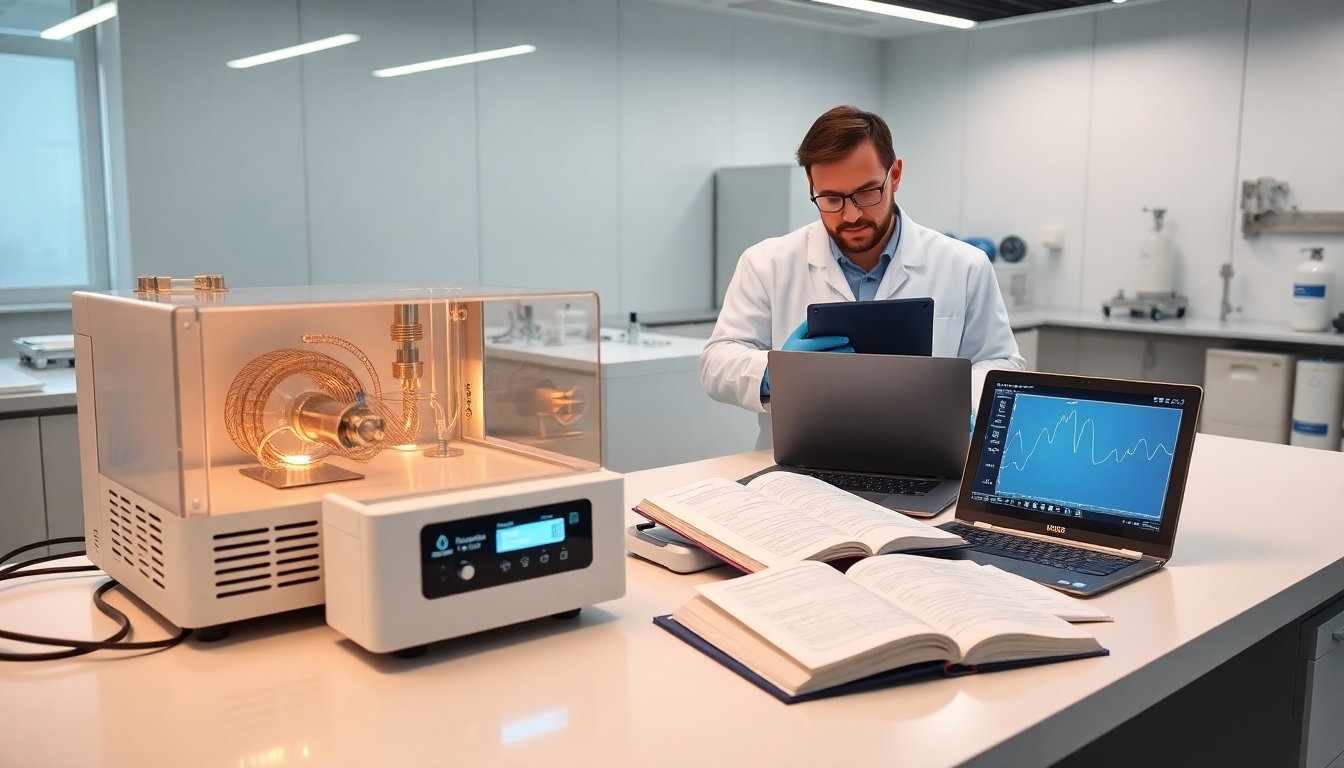
Second, operators place the printed transfer paper face-down onto a specially coated aluminum sheet. The panel and paper go into a commercial heat press. The press applies heavy pressure and heats the materials to temperatures between 380 and 400 degrees Fahrenheit. The high heat causes the solid sublimation inks on the paper to convert directly into a gas, skipping the liquid phase.
Simultaneously, the heat causes the polymer coating on the aluminum panel to expand and open its pores. The gaseous ink enters these open pores. As the panel cools upon removal from the press, the polymer coating closes, permanently trapping the ink molecules inside the surface of the aluminum. Because the ink is infused into the coating rather than sitting on top of the metal, the resulting image is highly resistant to surface scratching. Independent print permanence testing indicates that dye-sublimated aluminum panels can outlast traditional silver-halide photo papers when exposed to standard indoor lighting conditions.
Direct Printing vs. Dye Sublimation
Dye sublimation is not the only way to make metal prints. Many labs also offer direct printing, which is often called UV printing. This process uses a flatbed printer to spray ink right onto a bare aluminum panel. A UV light then instantly dries and hardens that ink.
The colors and contrast from direct printing usually look weaker than what you get from dye sublimation. Because the ink just sits on the surface, it scratches much more easily. It does have one useful feature, though. You can print white ink in specific spots and leave other areas clear so the raw metal shows through. Even with that option, most standard photos still use dye sublimation because it offers a wider range of colors and lasts longer over time.
Material Comparisons
Understanding the physical properties of aluminum panels helps determine their suitability for specific display environments.
|
Characteristic |
Aluminum Panel (Dye Sub) |
Traditional Canvas |
Photographic Paper (Framed) |
|
Moisture Resistance |
High (Waterproof) |
Low (Absorbs moisture) |
Low (Susceptible to warping) |
|
Scratch Resistance |
High |
Medium |
Low |
|
Weight per Square Foot |
Low (Rigid but light) |
Low (With stretcher bars) |
High (Due to framing glass) |
|
Glare Level |
Variable based on finish |
Very Low |
High (Depends on glass type) |
|
Cleaning Method |
Damp cloth, glass cleaner |
Dry dusting only |
Clean glass, avoid frame gaps |
Top 5 Companies for Creative Photography Prints
Selecting a print laboratory requires evaluating their machinery, material stock, and geographic location. The following five companies provide consistent metal print services for photographic applications.
1. WhiteWall
WhiteWall operates primarily out of Germany and ships globally. They use ChromaLuxe aluminum panels, which are the industry standard for dye-sublimation. WhiteWall provides precise color management, offering specific ICC profiles for soft-proofing images on calibrated monitors. Their packaging is highly engineered, minimizing the risk of bent corners during long-distance transit. The primary drawback is the shipping time and potential import duties for North American customers.
2. Posterjack
Posterjack is a Canadian print laboratory based in Toronto. Operating domestically removes international shipping delays and border fees for Canadian customers. The company utilizes automated image upscaling software that analyzes and refines pixel data, reducing artifacts in lower-resolution files before printing. They maintain strict environmental controls in their printing facility to prevent dust from interfering with the sublimation transfer. Posterjack produces a high-contrast output with edge-to-edge printing that avoids chipping along the metal borders.
3. Bay Photo Lab
Bay Photo Lab is located in California, United States. They hold a significant market share in professional photographic printing. The company offers an exceptionally wide range of custom sizes and non-standard shapes. They provide both dye sublimation and direct UV printing options. Bay Photo Lab is notable for its robust quality control process, where technicians manually inspect files for color balance and sharpness before authorizing the print run.
4. Pikto
Pikto operates in Toronto and targets professional photographers and gallery curators. They focus heavily on accuracy and color fidelity rather than high-volume consumer printing. Pikto offers comprehensive finishing services, including custom framing options that integrate the metal print into traditional wood or metal frames. Their ordering system assumes a high level of technical knowledge from the user, expecting files to be correctly profiled and sized before upload.
5. Printique
Printique is the printing division of the Adorama camera retailer, based in New York. They use standard ChromaLuxe aluminum and high-end Epson printers. Printique’s ordering interface is highly functional, allowing users to build complex collages and multi-panel splits directly in the browser. Their metal prints feature slightly rounded corners by default to prevent injury from sharp aluminum edges during installation.
Understanding Print Finishes
The visual impact of a metal print changes drastically depending on the surface finish of the aluminum panel. Laboratories typically offer three to four distinct finish options.
- High gloss. This finish features a highly reflective, glass-like surface. It maximizes color saturation, black density, and image contrast. This is the most common choice for vibrant landscapes and high-definition macro photography. The primary disadvantage is glare; High Gloss prints act like mirrors in rooms with strong directional lighting or unshaded windows.
- Matte. The matte finish applies a non-reflective coating over the metal. It scatters incoming light, eliminating glare. This finish is suitable for rooms with complex lighting setups or heavy natural light. The trade-off is a reduction in apparent contrast and color depth. Images printed on matte metal appear slightly softer than their glossy counterparts.
- Satin. Satin operates as a middle ground between High Gloss and Matte. It offers minor light reflection while retaining most of the color vibrancy of a glossy finish. It is often chosen for portrait photography, as the slight texture of the finish softens skin tones.
Some laboratories also offer a “Sheer” or “Clear” finish. Standard aluminum panels are pre-coated with a white polymer base layer, which acts like the white of photographic paper to ensure accurate color reproduction. Sheer panels omit this white base. Any pure white data in the digital image remains unprinted, allowing the raw silver aluminum to show through. This alters the color accuracy of the entire image but adds a metallic luminance that works well for industrial photography and black-and-white architectural shots.
Image Preparation and File Quality
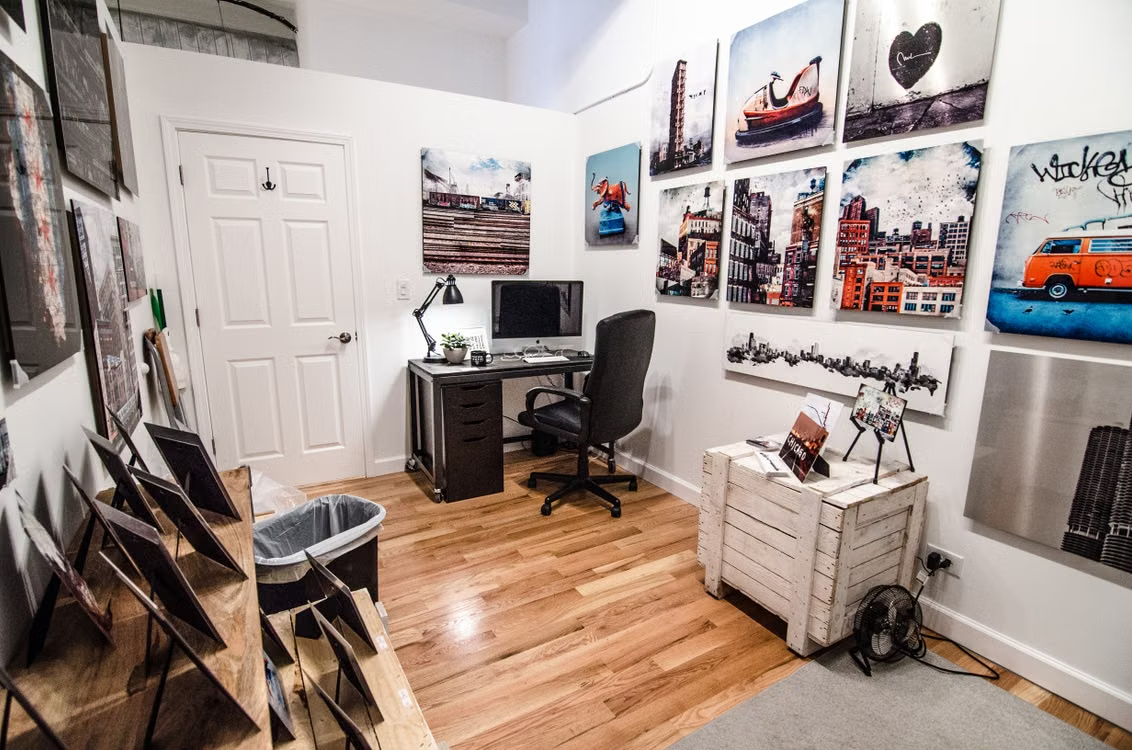
Metal prints are unforgiving of poor image quality. The extreme sharpness of the medium amplifies digital noise, chromatic aberration, and compression artifacts. Preparing a file for metal printing requires specific steps.
Files should be saved in the sRGB or Adobe RGB color space, depending on the laboratory’s requirements. CMYK files, used for standard commercial press printing, will result in severe color shifts. Resolution is a critical factor. Most laboratories require a minimum of 150 to 300 dots per inch (DPI) at the final physical print size.
A 16×24 inch print requires a minimum file dimension of 2400×3600 pixels to achieve 150 DPI. Upscaling lower-resolution images in software like Adobe Photoshop or Topaz Gigapixel can help, but artificial sharpening may cause visible halo effects on the metal surface. Users should disable automated color correction during the checkout process if they have already calibrated their monitors and edited the file to their specific preferences.
Mounting and Display Hardware
Because metal prints lack traditional frames, they require specialized hardware attached to the back of the panel for wall mounting.
- Float mount block
- The most common system. A block of wood or dense foam is adhered to the center of the panel’s back. This block contains a recessed hole or sawtooth hanger. When hung, the print sits approximately half an inch to an inch away from the wall, creating a floating shadow effect.
- Aluminum sub-frame
- A continuous metal frame attached to the back perimeter of the print. This provides structural rigidity for large prints (e.g., 30×40 inches and above) to prevent the aluminum sheet from bowing under its own weight. It functions similarly to a float mount but offers better stability.
- Standoff posts
- This method involves drilling a hole in each of the four corners of the metal panel. Metal cylindrical posts are bolted through the front of the print directly into the wall anchors. This creates an industrial look and is highly secure, making it common in commercial and public spaces.
Cost and Logistics
Pricing varies based on panel quality, finish selection, and geographic location. The following table provides a general comparison for standard orders.
|
Company |
Shipping Origin |
Base Price Tier |
Typical Turnaround Time |
Primary Market |
|
WhiteWall |
Germany |
Premium |
8–12 Business Days |
Professional/Gallery |
|
Posterjack |
Canada |
Moderate |
4–7 Business Days |
Consumer/Prosumer |
|
Bay Photo Lab |
USA |
Moderate-Premium |
5–9 Business Days |
Professional |
|
Pikto |
Canada |
Premium |
5–8 Business Days |
Professional |
|
Printique |
USA |
Moderate |
6–10 Business Days |
Consumer/Prosumer |
Note: Pricing and turnaround times fluctuate based on seasonal demand and supply chain variables.
Environmental Considerations
Aluminum is a very sustainable material because it can be recycled endlessly without losing its core strength. Industrial aluminum recycling also takes far less energy than mining and extracting new bauxite ore.
The printing process does add a few environmental factors. Dye sublimation requires chemical inks, and the metal panel needs a synthetic polymer coating to hold the image. Even though the bare aluminum is fully recyclable, that added polymer layer makes it harder to recycle a finished photo panel. Still, these items are built for permanent display rather than temporary use, which offsets the recycling difficulty a bit.
Conclusion
Metal printing provides a tough, rigid alternative to regular paper or canvas. By locking the ink directly into the surface coating of the aluminum, the process creates a scratch-resistant image that keeps its high contrast and lasts for years.
Choosing a print laboratory involves balancing factors such as base material quality, finish options, and location. Selecting regional facilities can optimize shipping times, while international laboratories may provide specific proprietary finishing techniques. Proper image preparation and an understanding of ambient lighting conditions remain the primary requirements for achieving accurate results with aluminum panels.