Table of Contents
ToggleYour home’s plumbing system works quietly behind the scenes, carrying waste and wastewater away from your sinks, showers, and toilets. Most homeowners rarely think about their main sewer line until something goes wrong—and by then, the problem often requires urgent attention. The main sewer line is the lifeline of your home’s plumbing, connecting all your internal drains to the municipal sewer system or your septic tank. When this critical pipe becomes clogged or damaged, the consequences can range from unpleasant odors to costly water damage.
Understanding the early warning signs of a sewer line issue is essential for protecting your property and your family’s health. In the United States, the average cost to repair a damaged sewer line can range from $1,500 to $8,000, depending on the extent of the damage. However, routine maintenance and timely intervention can save you thousands of dollars in emergency repairs. By recognizing the subtle (and not-so-subtle) indicators that your sewer line needs attention, you can take proactive steps to address the issue before it escalates into a full-blown plumbing emergency.
Why Sewer Line Health Matters for Every Homeowner
Your sewer line is designed to handle a specific volume of waste and water. Over time, however, several factors can compromise its efficiency. Tree roots are one of the most common culprits, as they naturally seek out moisture and nutrients, often infiltrating small cracks or loose joints in underground pipes. Additionally, grease buildup, flushing inappropriate items, and the natural aging of pipes can all contribute to clogs and blockages.
Ignoring these issues doesn’t just mean a slow drain—it can lead to sewage backups, which pose serious health risks. Raw sewage contains harmful bacteria, viruses, and parasites that can cause illnesses such as gastroenteritis, hepatitis, and even skin infections. Furthermore, sewage backup can damage your flooring, drywall, and personal belongings, creating an environment conducive to mold growth. For these reasons, being vigilant about your sewer line’s condition is not just a matter of convenience; it’s a matter of safety.
1. Multiple Drains Are Draining Slowly
One of the earliest and most telling signs of a sewer line problem is when you notice that multiple drains in your home are slow simultaneously. If you run water in your bathtub and the toilet gurgles, or if the kitchen sink and bathroom sink both drain sluggishly, this suggests a blockage deeper in the system rather than a simple localized clog. A single slow drain typically indicates a problem within that specific fixture’s trap or pipe. However, when several fixtures are affected at once, the obstruction is likely in the main sewer line that services your entire home.
This symptom occurs because the main line is shared by all your plumbing fixtures. When a blockage forms in this central pipe, water from various sources cannot flow through efficiently, causing backups in multiple areas. If you notice this pattern, it’s wise to avoid using water-heavy appliances like washing machines or dishwashers until the issue is diagnosed. Continuing to run water can exacerbate the blockage and lead to an overflow. At this stage, contacting a professional for Sewer Drain Cleaning Services can help clear the obstruction and restore proper flow to your plumbing system.
2. Unpleasant Odors Coming from Drains
A healthy plumbing system should be virtually odor-free, thanks to the water traps that prevent sewer gases from rising up through your drains. If you begin to notice a persistent, foul smell resembling rotten eggs or sewage emanating from your sinks, tubs, or floor drains, this is a red flag. These odors indicate that sewer gases are escaping into your living space, which can happen when there is a crack in the sewer pipe, a dry trap, or a blockage causing wastewater to stagnate.
The smell may be especially noticeable after you’ve been away from home for a while, as water in the traps may have evaporated. However, if the odor persists even after running water to refill the traps, the problem likely lies deeper within the sewer line. Sewer gas is not just unpleasant; it contains methane, which is flammable, and hydrogen sulfide, which can be toxic in high concentrations. Prolonged exposure can cause headaches, nausea, and respiratory issues. If you detect these odors, it’s crucial to address the issue promptly. A professional plumber can perform a camera inspection to identify the source of the leak or blockage and recommend appropriate sewer drain cleaning services to eliminate the problem.
3. Gurgling Noises from Toilets or Drains
Strange gurgling sounds from your plumbing fixtures are never a good sign. These noises occur when air is trapped in the pipes due to a blockage, forcing it to bubble up through the water in your toilet bowl or sink drain. You might notice these sounds after flushing the toilet, running the washing machine, or taking a shower. The gurgling is essentially your plumbing system struggling to maintain proper pressure and airflow, which is disrupted by an obstruction in the sewer line.
While a minor gurgle might seem like a minor annoyance, it often indicates a developing clog that will only worsen over time. The trapped air can also compromise the water seals in your traps, allowing sewer gases to escape into your home. If you hear gurgling sounds regularly, it’s advisable to have a professional assess your sewer line. Early intervention can prevent a complete blockage, which would require more extensive and expensive repairs. Ignoring these sounds could lead to a sudden sewage backup, turning a minor issue into a major cleanup job.
4. Water Backing Up in Unexpected Places
Perhaps the most alarming sign of a sewer line problem is water backing up where it shouldn’t. If you flush the toilet and water rises in the bathtub, or if you run the washing machine and water appears in the shower drain, this is a clear indication of a blockage in the main sewer line. This backup occurs because the wastewater has nowhere to go, so it takes the path of least resistance and emerges through other fixtures in your home.
This scenario is not only inconvenient but also unhygienic. The water that backs up is contaminated with sewage and should be treated as hazardous waste. You should avoid using any plumbing fixtures until the issue is resolved, as doing so will only worsen the backup. Additionally, you should thoroughly clean and disinfect any areas that came into contact with the wastewater to prevent the spread of bacteria. A professional plumber will need to clear the blockage using specialized equipment, such as hydro-jetting or augers, to restore your system to full functionality. Prompt action is essential to minimize property damage and health risks.
5. Patches of Unusually Lush or Soggy Grass in Your Yard
While most sewer line problems manifest inside the home, some signs are visible outdoors. If you notice patches of grass in your yard that are unusually green, lush, or soggy, this could indicate a leaking sewer line. The wastewater leaking from a damaged pipe acts as a fertilizer, promoting rapid plant growth in the affected area. Additionally, the excess moisture can make the ground feel spongy or waterlogged underfoot.
This symptom is particularly common in homes with aging sewer lines or those with tree root infiltration. You might also notice a foul odor in the yard, especially on warm days when the smell of the leaking sewage is more pronounced. A leak in your sewer line can cause significant damage to your landscaping and, more importantly, can contaminate the soil and potentially your groundwater. If you suspect a leak based on these outdoor signs, it’s essential to have your sewer line inspected. A camera inspection can pinpoint the exact location of the leak, and a professional can recommend the best course of action, which may involve sewer drain cleaning services to remove any blockages that contributed to the pipe damage.
The Importance of Professional Sewer Drain Cleaning
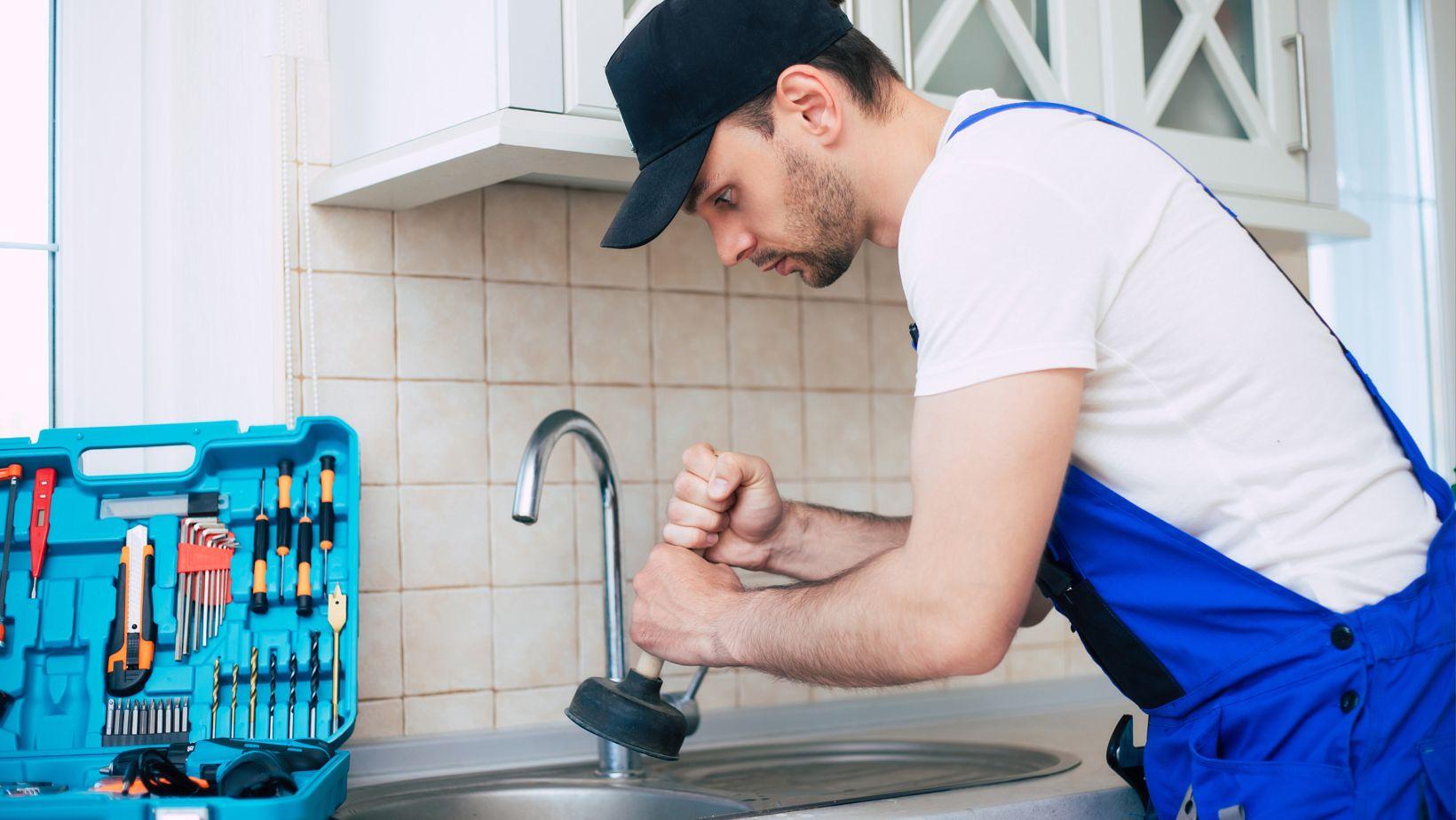
While there are DIY methods for addressing minor clogs, such as using a plunger or a drain snake, these approaches are often insufficient for issues in the main sewer line. In fact, using chemical drain cleaners can be harmful, as they can damage your pipes and are hazardous to handle. Professional sewer drain cleaning services offer several advantages over DIY attempts:
When you hire a professional service, you’re not just addressing the immediate symptom; you’re investing in the long-term health of your home’s plumbing system. They can also provide valuable advice on how to maintain your sewer line and avoid future issues, such as being mindful of what you flush down the toilet or pour down the sink.
Conclusion
Your home’s sewer line is a critical component of your plumbing system, and its health should never be underestimated. By paying attention to the warning signs—slow drains, unpleasant odors, gurgling noises, water backups, and unusual yard conditions—you can catch problems early and avoid costly and hazardous emergencies. Ignoring these signs can lead to extensive property damage, health risks, and significant repair bills.
If you notice any of these indicators, the best course of action is to contact a licensed plumbing professional who can diagnose the issue and recommend appropriate sewer drain cleaning services. They have the expertise and equipment to effectively clear blockages, repair damaged pipes, and restore your peace of mind. Remember, proactive maintenance is always more affordable than reactive repairs. By staying vigilant and addressing issues promptly, you can ensure that your home’s plumbing system functions smoothly for years to come, protecting both your investment and your family’s well-being.