Table of Contents
ToggleGulf Coast boats work hard. They run flats in the morning heat, cross bays under full sun, and sit through afternoon storms that build out of nowhere. The fishing here is some of the best in the country, but the environment that makes it great is the same environment that wears boats down faster than almost anywhere else.
The difference between a boat that lasts and a boat that ages early comes down to what happens between trips. This guide covers the simple habits Gulf Coast owners can use to protect their boats from sun, salt, and storm season.
Key Takeaways
Rinse Salt Off After Every Trip
Salt is the Gulf's quiet destroyer. It creeps into hinges, fittings, wiring, and every unsealed seam. Left alone, it corrodes metal and chalks gelcoat.
The fix is simple. Rinse the entire boat with fresh water after every trip, top to bottom, including the trailer. Flush the engine with fresh water using muffs or a built-in flush port. Pay attention to hardware, rails, and anything electrical. Ten minutes at the hose saves thousands in corrosion repairs over a boat's life.
Wipe down vinyl and seats after the rinse. Salt residue holds moisture against the material and speeds up cracking and mildew.
Fight the Gulf Sun
UV exposure on the Gulf Coast is relentless for most of the year. Sun fades upholstery, cracks vinyl, chalks fiberglass, and breaks down anything rubber or plastic left exposed.
Shade is the answer, in whatever form fits your storage situation. Covered slips and dry storage do the most. For boats kept on a trailer or in an open slip, a quality cover fitted to the boat handles the daily beating so the boat does not have to. Apply a UV protectant to vinyl and rubber a few times each season, and wax the gelcoat at least twice a year to keep the finish sealed.
Care for Electronics and Electric Motors
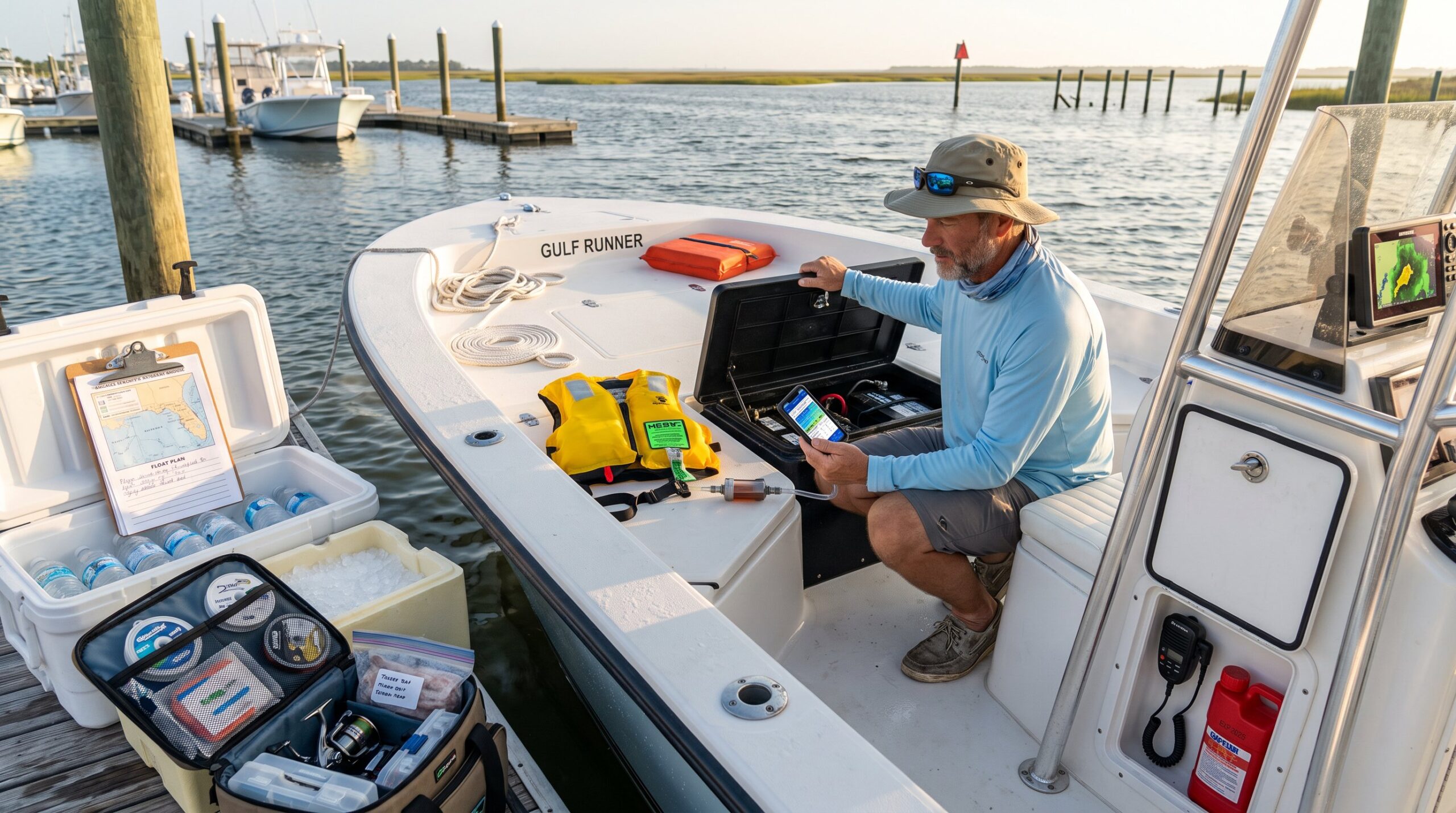
Modern fishing boats carry more electronics than ever, and the Gulf environment attacks all of it. Remove what you can between trips, including handheld gear and removable displays. Coat exposed connections with dielectric grease and check plugs for green corrosion before it spreads.
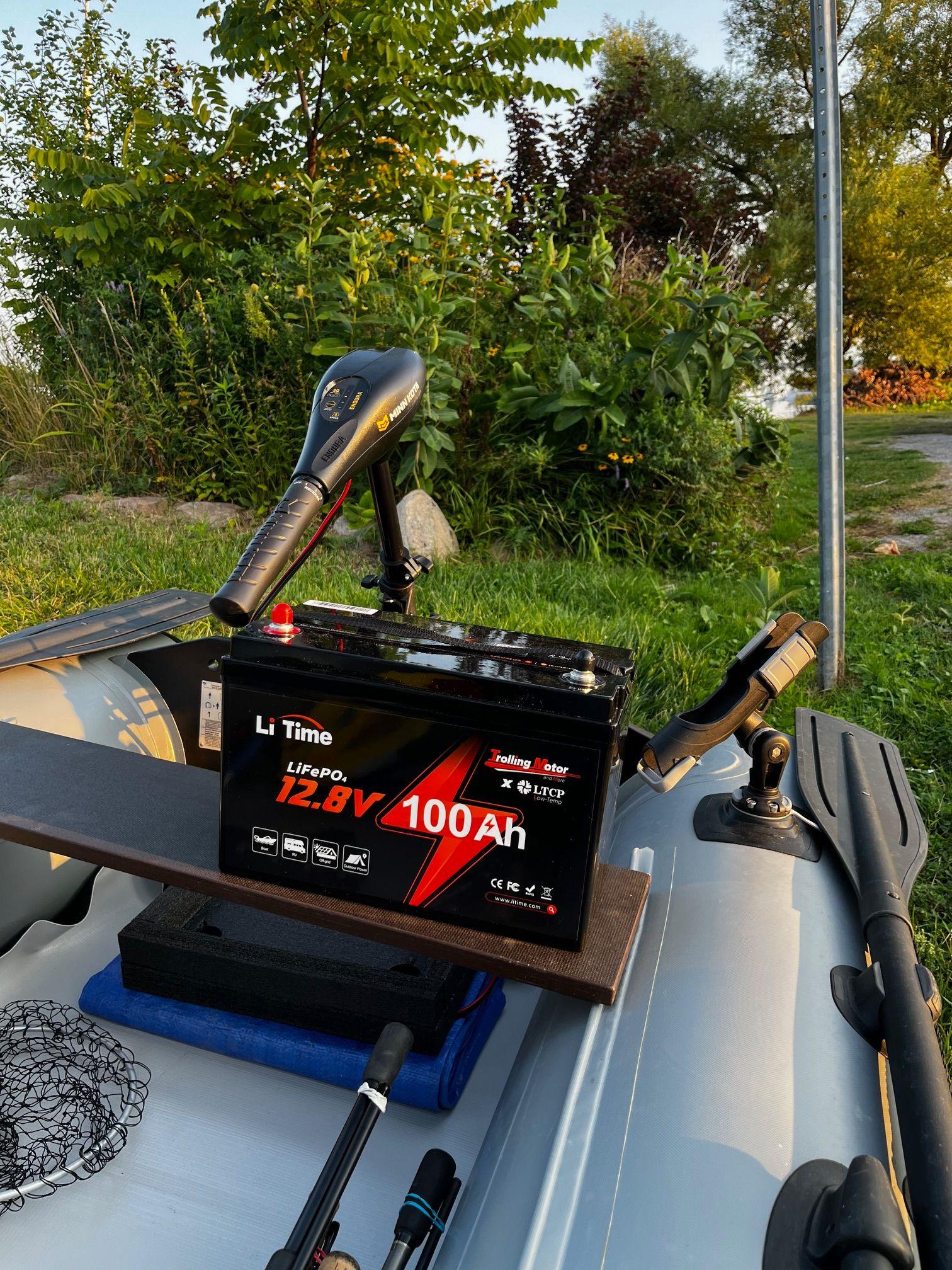
A trolling motor deserves specific attention, since it lives at the bow taking spray all day and often gets forgotten at the dock. Rinse it with fresh water after each trip, stow it secured in its bracket, and inspect the prop for fishing line wrapped behind the hub. Line left in place cuts seals and lets water reach the lower unit.
Batteries round out the electrical routine. Keep terminals clean, keep charge levels up between trips, and use a maintainer if the boat sits for weeks at a time.
Have a Hurricane Season Plan
From June through November, every Gulf Coast owner needs a storm plan written before it is needed. Decide early where the boat goes when a storm approaches, whether that is a haul-out yard, a trailer ride inland, or a well-protected slip with doubled lines and chafe gear.
Make the arrangements now. Haul-out yards fill their lists fast once a storm has a name, and the owners who called in May get spots the owners who called Thursday do not. Photograph the boat each season for insurance, keep the policy current, and store registration papers somewhere dry and reachable.
Build the Between-Trip Routine
None of this takes long once it becomes habit. Rinse and flush after every trip. Cover the boat and protect it from sun. Check the electronics, motors, and batteries on a regular rotation. Keep the storm plan ready from the first day of June.
Gulf Coast fishing rewards the anglers who show up prepared, and Gulf Coast boat ownership works the same way. Protect the boat between trips, and it will be ready every time the bite turns on.