Table of Contents
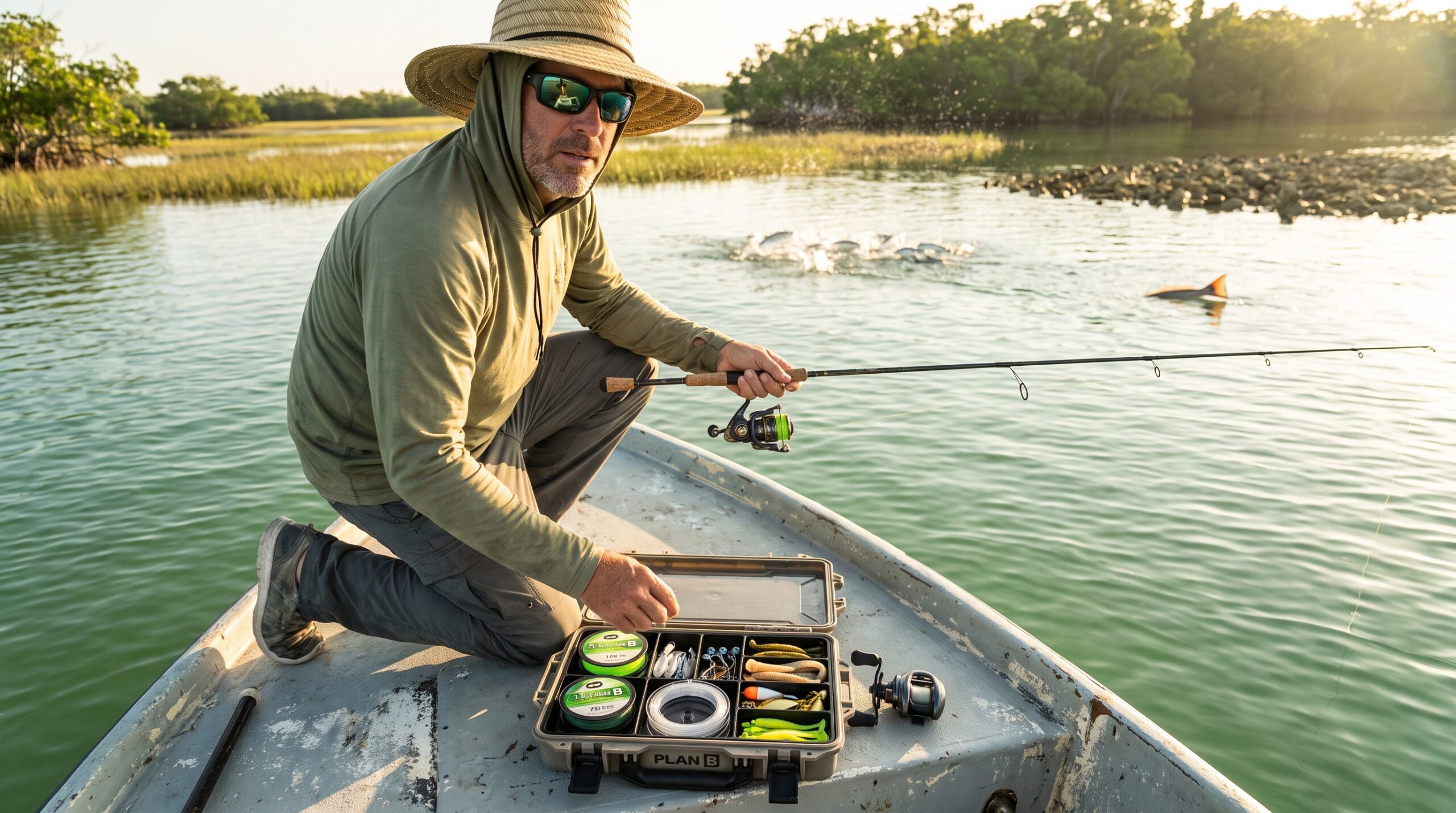
ToggleHow to choose tackle for common Gulf Coast fish begins with habitat and target species. The angler who understands flats, estuaries, and structure picks gear that matches environment and behavior. This guide quickly orients readers to redfish, speckled trout, flounder, and snook, then gives clear choices for rod, reel, line, leaders, hooks, and lures. It focuses on practical setups that work in real 2026 Gulf inshore conditions rather than theory-only lists.
Key Takeaways
- Choosing the right tackle for common Gulf Coast fish depends on matching gear to the specific habitats and behaviors of redfish, speckled trout, flounder, and snook.
- Lighter spinning rods and 10–15 lb braid lines are ideal for open flats and sight fishing, while heavier braid and stronger leaders are necessary near mangroves and in fast currents.
- Spinning reels offer versatility and ease of use for most inshore fishing, whereas baitcasting reels provide better control for heavy-line techniques targeting big snook or redfish.
- Select hooks, leaders, and terminal tackle based on species and presentation style, always carrying stronger leader spools to adapt quickly after missed strikes or abrasion.
- Use species-specific lures like soft plastics and topwaters for trout, spoons and weedless plastics for redfish, bottom jigs for flounder, and live bait with weedless rigs for snook to increase catch rates.
- Prepare multiple rigs tailored to varying conditions and carry diverse lures to adapt swiftly and improve success on Gulf Coast fishing trips.
Quick Guide To Common Gulf Coast Species, Habitat, And Conditions
Fact first: redfish, speckled trout, flounder, and snook live in distinct microhabitats, and tackle must match those microhabitats. Redfish often patrol shallow grass flats, oyster bars, and tidal creeks where sight fishing and shallow presentations matter. Speckled trout favor grass flats and bays and will chase fast-moving soft plastics or topwaters. Flounder bury on sandy or muddy bottoms and respond to bottom jigs or live mud minnows. Snook concentrate around mangroves, docks, seawalls, and passes where current and cover change the game.
Why this matters: habitat dictates presentation, line strength, and leader choice. On a clear shallow flat a 7′ moderate spinning outfit with 10–15 lb braid and a 20 lb fluorocarbon leader gives stealth and casting distance. In heavy structure or current, the angler upgrades to 20–30 lb braid and 40–50 lb leader for snook around mangroves. These simple swaps prevent lost fish and broken rigs. A quick rules-of-thumb: lighter gear for open flats and sight casts: heavier line and stronger leaders near structure and fast tidal flows.
Practical moment: one angler recalled snapping a 15 lb leader on a mangrove snook during an outgoing tide, switching to 40 lb leader the next cast stopped the problem. That honest mistake illustrates how fast conditions force changes.
Selecting The Right Rod And Reel
Fact first: a 7′ to 7’6″ medium-light to medium-fast spinning rod covers most flats and bay work: move to medium-heavy for larger fish or heavy structure. Spinning combos provide casting distance and forgiveness for lighter tactics: heavier setups resist abrasion and punch through current.
Rod choice details: a medium-fast action gives enough tip sensitivity to feel soft plastics and live shrimp while providing backbone to set hooks and steer fish. A 7’6″ rod helps longer casts when fishing distant oyster lines. For anglers fishing from a skiff or poling on flats, the lighter rod improves sight-casting accuracy.
Reel selection: pair the rod with a saltwater-rated spinning reel sized 2500–4000. Those reels balance line capacity and gear ratio for inshore fish. Choose sealed drag systems to resist salt corrosion. When targeting larger redfish or prolonged fights near structure, a low-profile baitcasting reel with 20–30 lb braid works well, but most inshore anglers will lean on spinning gear for versatility.
Anchor link: anglers building a kit often consult the site’s broader buying advice in the fishing equipment guide.
Spinning Vs Baitcasting: Which To Use For Inshore Gulf Species
Fact first: spinning gear is the default for most inshore Gulf scenarios: baitcasting is best for heavier line and precise control when fighting big fish or fishing heavy braid.
Why spinning is common: spinning reels handle light jigs, soft plastics, and live baits without the backlash concerns of baitcasters. They cast small, aerodynamic lures farther and work well with 10–15 lb braid for trout and redfish on open flats. A novice or a parent teaching a child will find spinning setups easier to master.
When to pick baitcasting: choose baitcasters when using 20–30 lb braid, flipping heavy soft plastics into mangroves, or casting large topwaters for big redfish and snook. Baitcasters deliver better leverage and control during long fights in current but demand practice to avoid bird’s nests. Those looking for more depth can read the pillar overview.
Practical warning: one angler switched to a low-profile baitcaster for snook and underestimated the wind, multiple backlashes cost time and lost lures. For most inshore trips, spinning gear reduces such rookie errors.
Related resource: readers can compare modern tackle advances in the tackle box modern gear article.
Choosing Line, Leaders, And Hooks
Fact first: choose 10–15 lb braid for lighter inshore work and 20–30 lb braid for general inshore or heavy conditions: match fluorocarbon leaders from 20–30 lb up to 40–50 lb for tight structure or big snook.
Line choices explained: braid provides low stretch for hookset power and better lure control: it also needs a fluorocarbon leader for abrasion resistance and stealth. For speckled trout on clear flats, 10–15 lb braid tied to 20 lb fluorocarbon blends invisibility with strength. For structure-rich snook spots, 30 lb braid with a 50 lb fluorocarbon leader prevents bite-offs on roots and barnacles.
Hook selection: use wide-gap hooks for soft plastics and live bait hooks for shrimp or pinfish. Circle hooks reduce gut-hooking when using whole baits. For flounder, small to medium J-hooks matched to bait size keeps presentations natural near the bottom.
Tactical note: always carry a spool of heavier leader material, changing leader strength after a missed fish or abrasion is a simple way to avoid losing the next bite.
Internal link: for a quick checklist before trips, the angler can reference the get ready checklist.
Terminal Weights, Swivels, And Simple Rig Choices
Fact first: terminal tackle should match the presentation, bottom jigs for flounder, popping corks for trout, and weedless rigs for grass or oyster edges.
Weights and rigs: use 1/8–1/4 oz jigheads for shallow trout work with soft plastics. For flounder, a 1/2–1 oz bucktail or jig with a live mud minnow gets down to the bottom quickly. A popping cork paired with a 1/4–1/2 oz jig gives scent and vertical motion that elicits strikes from trout and redfish over grass.
Swivels and snaps: small barrel swivels prevent line twist when using live bait rigs. Use strong snaps when switching lures frequently, this saves time on the water. Keep a few weedless jigheads for snook and redfish around mangroves to reduce hang-ups.
Practical example: one captain carries three rigs pre-tied, light jighead for trout, heavier flounder jig, and a weedless Texas-style soft plastic rig, switching between them in under a minute when fish behavior changes.
Best Lures And Baits For Popular Gulf Species (Trout, Redfish, Flounder, Snook)
Fact first: species-specific lures yield faster hookups, soft plastics and topwaters for trout, spoons and weedless soft plastics for redfish, bottom jigs for flounder, and live bait plus weedless plastics for snook.
Trout: use 1/8–1/4 oz soft plastics on a light jighead, topwater walkers at dawn, and suspending jerkbaits when fish lock on bait schools. Live shrimp works reliably when fish are finicky.
Redfish: gold spoons and paddle-tail plastics retrieved slowly over grass and oyster edges trigger aggressive strikes. In skinny water, shallow-running plugs and free-lined shrimp imitate natural prey.
Flounder: present bottom-oriented jigs, bucktails with trailers, or live mud minnows on a fish-finder rig. Let the bait rest and give subtle hops, flounder often inhale rather than chase.
Snook: favor live pinfish, mullet, and shrimp around passes and mangroves: use weedless soft plastics for tight cover. Match leader strength to the environment, 40–50 lb leaders near heavy root systems.
Cluster link: anglers building seasonal lure boxes can also find coastal craft and gear ideas in the coastal craft ideas post that often suggests local bait shops and DIY lure storage solutions.
Practical lesson: one angler kept a pack of live shrimp on ice and switched to a live rig after 90 minutes of blanking with plastics, within 10 casts a keeper trout ate the shrimp. That pivot saved the trip.
Conclusion
Insight first: match tackle to habitat, not wishful thinking. Lighter spinning gear wins on open flats: heavier braid and stronger leaders win near mangroves and structure. The smart angler prepares three rigs, carries a variety of lures, and adapts leader strength after the first few casts.
Final step: for broader kit building and regional tips, the site maintains a hub that ties fishing, gardening, and coastal craft resources into practical planning tools: consult the complete guide hub when assembling a season kit.