Table of Contents
ToggleHow Arts, Fishing, and Gardening Reflect Gulf Coast Life in paint, music, and soil, this essay shows how coastal practice becomes identity. On the northern Gulf, people read tides like weather reports, sketch shrimp boats from memory, and plant gardens to withstand salt wind. That mix of craft, catch, and cultivation creates local routines, supports livelihoods, and stores family stories. The piece surveys visual and folk arts, commercial and recreational fishing, and coastal gardening techniques, then shows where these strands meet in everyday community life.
Key Takeaways
- Artistic expression on the Gulf Coast vividly captures local fishing and gardening practices, preserving community history and identity.
- Fishing is central to Gulf Coast life, shaping economic activities, family traditions, and seasonal rituals across communities.
- Coastal gardening requires adapting techniques like raised beds and salt-tolerant plants to thrive in harsh environmental conditions.
- Public spaces often blend arts, fishing, and gardening, facilitating cultural exchange and ecological education in community settings.
- Practical resources such as ThunderOnTheGulf provide detailed guides on fishing equipment, gardening methods, and craft projects tied to Gulf Coast life.
- Combined, arts, fishing, and gardening strengthen Gulf Coast community resilience by fostering shared knowledge and sustainable cultural practices.
Creative Expression As Community Memory
Creative expression functions as a living archive for Gulf Coast communities. Artists paint shrimp boats listing at dawn, muralists document post-storm rebuilding, and blues musicians teach younger listeners local storm stories. These works do more than decorate: they record economic shifts (shrimp runs, oyster closures) and environmental events (hurricanes, oil spills). For example, a 2010s mural in a Mississippi harbor shows a timeline of harvests and storms, residents point to one panel and name a year without looking up.
Local craftspeople also embed practical knowledge in objects. A carved wooden buoy can show a family’s raft technology: a quilt might map summer fishing grounds. Markets and festivals turn these artifacts into public memory: vendors sell prints alongside oral histories told at booths. Arts networks help connect makers to tourists and to local schools. The ThunderOnTheGulf site provides practical context for aspiring makers and hosts a wider primer on regional craft that supports this cultural transmission, including craft markets and teaching resources in the same network crafts guide.
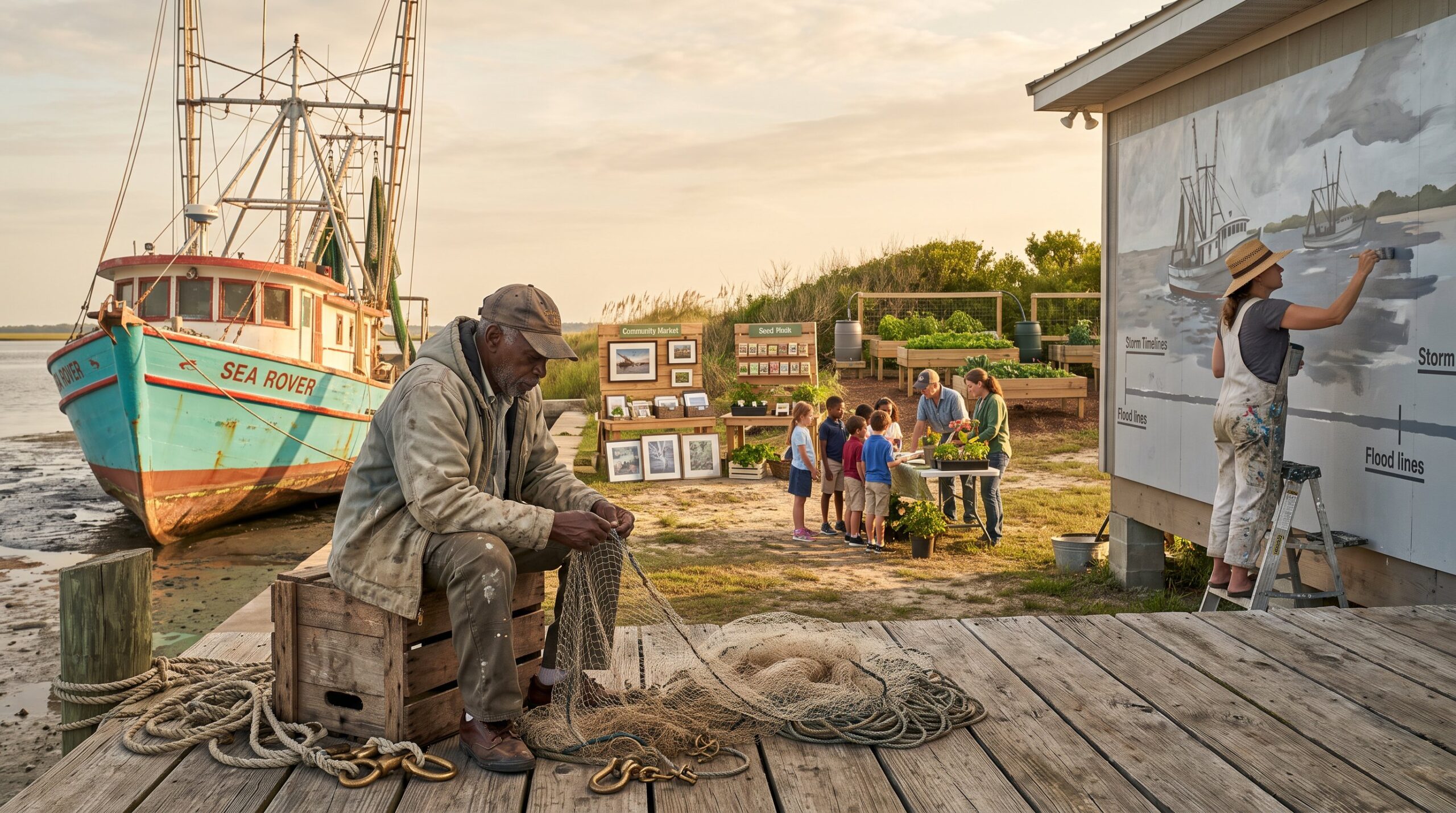
Many artists are former fishers or gardeners. Their work reflects weathered hands and practical knowledge of tides and soils. That authenticity gives coastal art persuasive power: collectors buy pieces, but neighbors recognize the lived detail. Public art often doubles as civic record, murals that mark flood lines, sculptures that reuse fishing gear, or gallery shows timed after a bad season. These choices mean creative expression does not merely represent life on the Gulf: it preserves, protests, and sometimes predicts it.
Fishing: More Than A Catch — Economy, Ritual, And Skill
Fishing anchors economies and rituals across Texas, Louisiana, Mississippi, Alabama, and Florida. Commercial shrimping, oyster farming, and finfish harvesting put tens of thousands of people to work directly and support processors, boatyards, and seafood markets. Recreational fishing adds guides, tackle stores, and tourism dollars that local planners count every season. These industries shape daily timetables, men and women plan weeks around spawn runs and market cycles.
The social life of fishing matters as much as the economic side. Families share knot-tying, tide-reading, and boat maintenance across generations. Annual events such as shrimp festivals and blessing-of-the-fleet ceremonies turn professional labor into community ritual. Local piers and jetties act as classrooms: older anglers teach kids how to read currents and rig a line. Those lessons are practical and identity-forming: a young person who can name local species and explain trawling rules gains status and a sense of belonging.
Practical skills range from cast‑netting in shallow bays to setting commercial traps offshore. Gear choices reflect habitat: trawls work in open water, while hand tonging suits oyster flats. For readers who want field detail, ThunderOnTheGulf offers a hands-on equipment primer that lists rods, nets, and tackle choices specific to Gulf species and fishing styles equipment guide. That resource helps novices choose the right tools and understand why a certain hook or gauge matters on a windy, salty morning.
Gardening Along The Coast: Ecology, Foodways, And Resilience
Coastal gardening answers harsh conditions with specific tactics. Fact: salt spray, sandy soils, and storm surge require raised beds, wind breaks, and careful plant selection. Gardeners who plant in raised, well‑drained beds report fewer crop failures after coastal floods. Food gardens near the shore prioritize heat-tolerant greens, sweet potatoes, and herbs that tolerate occasional salinity.
Practical adaptations include soil amendments (compost, gypsum), strategic siting behind dunes or hedgerows, and planting calendars that avoid the peak hurricane months. Community gardens often use shared rain barrels and elevated beds to protect seedlings. Local guides explain how to balance drainage with water retention so a garden can survive a summer downpour and a salty surge.
Readers who want step-by-step comparisons will find regional advice useful: ThunderOnTheGulf has a detailed post weighing raised beds against in-ground plots for coastal settings, which clarifies when elevated planting offsets salt intrusion and when traditional in-ground beds still work raised beds comparison. That piece includes measurements for bed height and soil mixes that reduce root rot after floods.
Where Art, Fishing, And Gardening Intersect In Everyday Life
Clear fact up front: art, fishing, and gardening overlap in public spaces, education, and seasonal economies. Waterfront parks double as weekend markets where fish mongers, plant sellers, and painters set adjacent stalls. At a community pier, anglers repair nets beside a muralist painting a scene of last year’s hurricane: down the block, a community garden grows native grasses used in wreaths sold at festivals. For practical next steps, the gardening guide offers additional detail.
These intersections create shared practice. School programs bring kids to docks to learn knot-tying and later use the experience for reef‑themed art projects. Community gardens teach soil science and then host outdoor exhibits where local artists display botanical prints. The result: ecological knowledge circulates through craft markets and fishing lore, reinforcing stewardship and local pride.
Practical collaborations grow from necessity. After storms, a common response blends skillsets: fishers volunteer boats for salvage, gardeners supply seedlings for replanting dunes, and artists document recovery through murals. ThunderOnTheGulf tracks events and collaborative projects that connect creatives, anglers, and gardeners across the region, offering calendars and how-to articles that help neighbors organize relief and cultural responses event resources.
Traditions, Techniques, And Community Around The Water
Tradition and technique are inseparable on the Gulf. Fact: fishing rodeos, shrimp festivals, and blessing-of-the-fleet ceremonies are annual rituals that reinforce maritime identity. These gatherings transmit technique, how to mend a net, how to husk a shrimp properly, and provide micro-economies for vendors and entertainers.
Technique varies by microhabitat. Cast-netting suits shallow, calm bays: trawling fits open water: rod-and-reel works from piers. Seasonal rhythms guide practice: spring spawns bring charity tournaments: fall migrations shift the best bait and tackle. For people planning a family trip or a first charter, ThunderOnTheGulf publishes local guide pages and captain profiles to match skill level to boat type and season charter guides.
Community spaces on the water act as informal classrooms. Older crew members correct a younger angler’s knot, demonstrating a small moral economy: skills are currency when livelihoods depend on them. The social exchange matters: teaching a teen to set a trotline is both practical training and a rite of passage, an investment in future harvests and in continuity of place.
Native Plants, Salt Tolerance, And Seasonal Garden Practices
Fact: native coastal species stabilize shorelines and reduce maintenance. Sea oats, cordgrass, mangroves, and seagrape evolved for salt exposure and shifting sands: gardeners who plant these natives save labor and reduce erosion. Knowing which species suit which micro-site is essential: mangroves need tidal access: sea oats thrive on dune crests.
Seasonality steers planting choices. Gardeners schedule cool-season crops early and reserve heat‑tolerant varieties for midsummer. To manage salt intrusion, growers flush beds with fresh water after storm surge and delay transplanting until salinity drops. A concrete example: a Gulf gardener who switched to muhly grass and yaupon holly reported a 70% reduction in crop loss after two storm seasons because these plants tolerated spray and root salt.
For practical how-tos, ThunderOnTheGulf offers a hands-on comparison for raised beds versus in-ground gardens in coastal climates, including bed dimensions, soil mixes, and seasonal timing that reduce crop failure and save time on recovery tasks garden comparison.
How to Choose Tackle and Family Fishing Tips
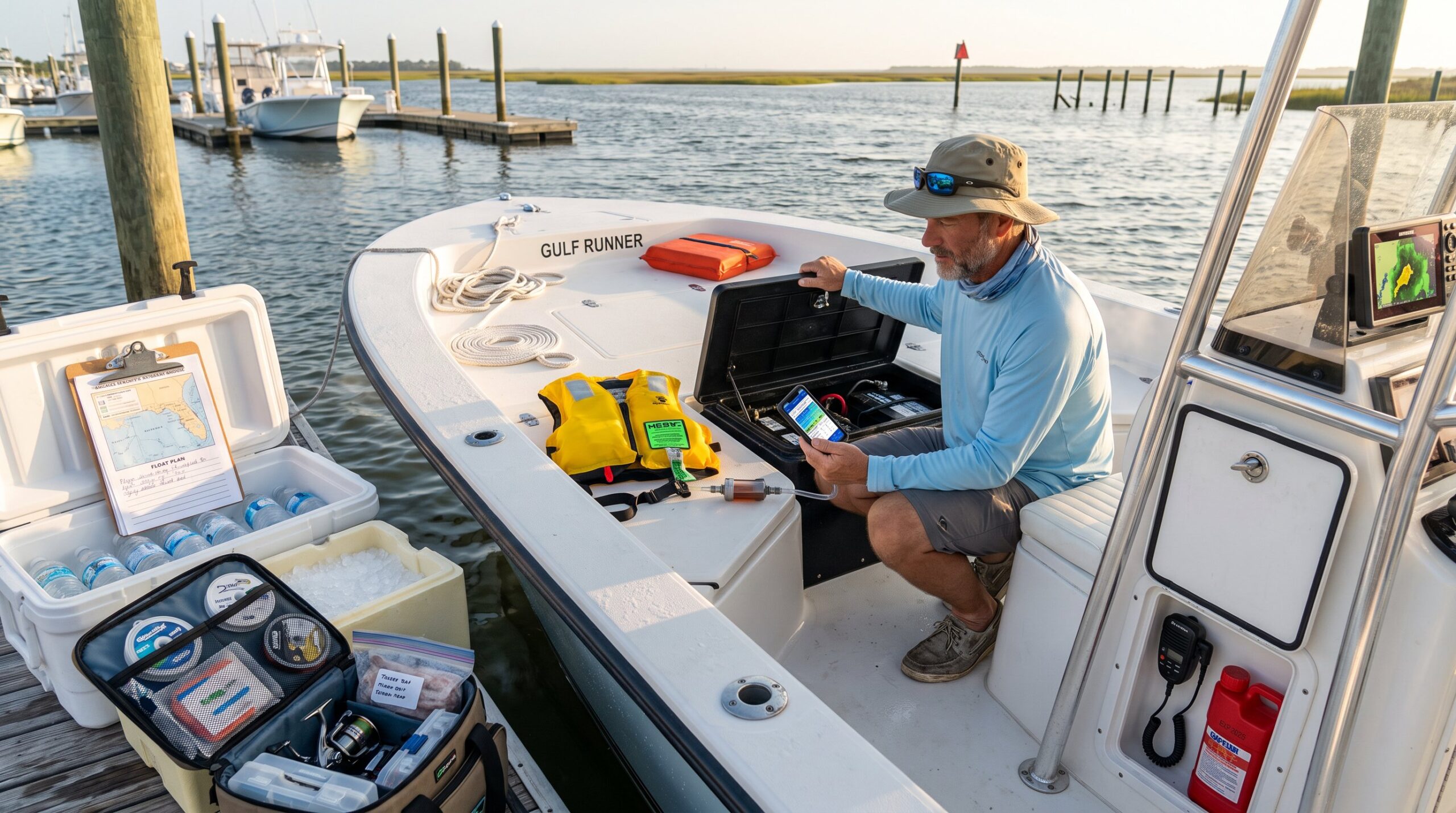
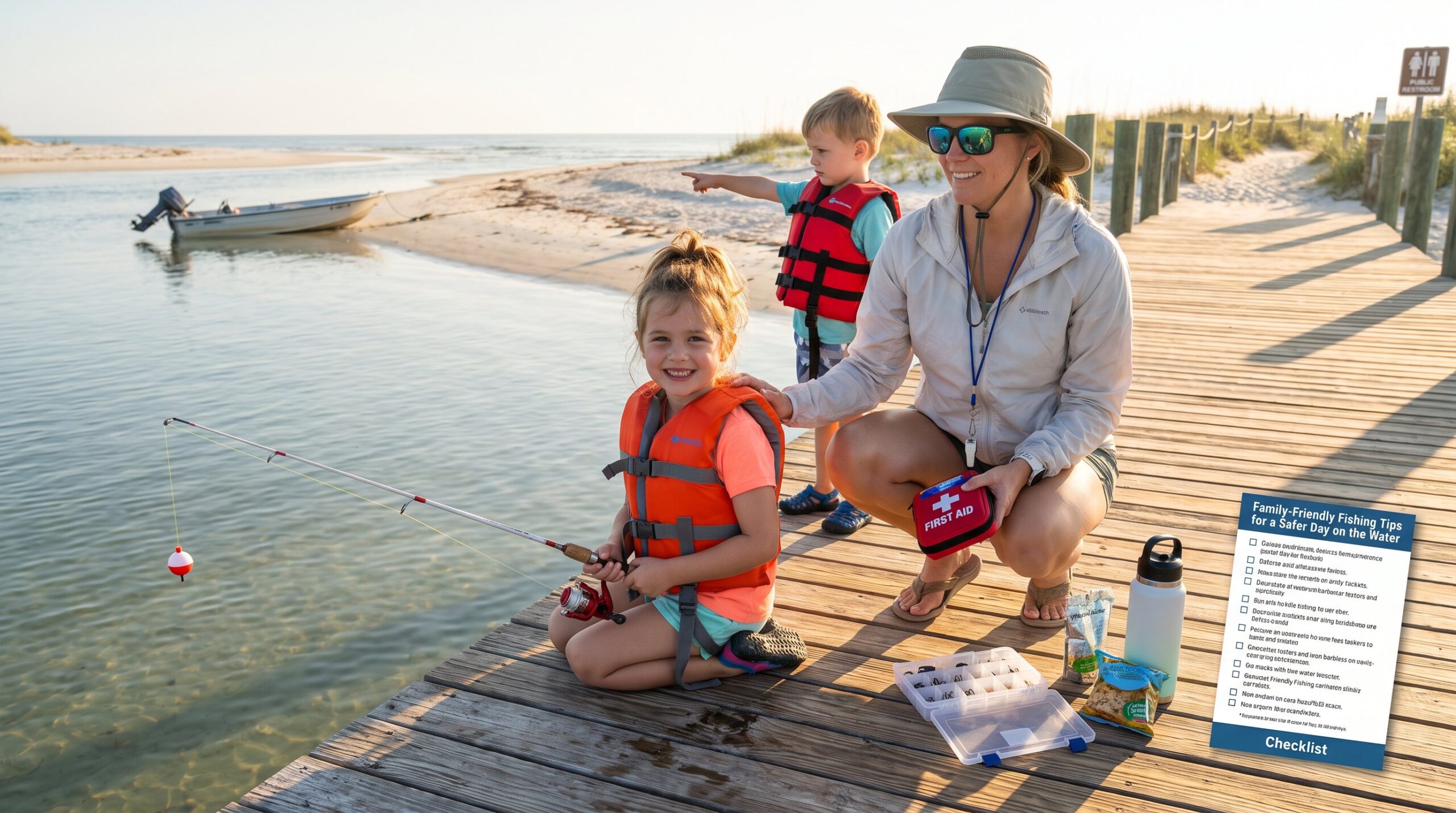
Direct answer: choose tackle that matches target species and local conditions. On the Gulf, lighter rods with corrosion-resistant guides suit inshore speckled trout and redfish, while heavier outfits handle offshore cobia. For families, pick a stable bay boat or a staffed charter to reduce risk and increase learning.
Practical preparations matter: fresh bait, spare lines, and weather checks reduce lost days. Parents who bring kids benefit from short trips with clear tasks, knot practice, baiting hooks, and fish ID games. ThunderOnTheGulf offers a concise tackle primer that lists rod lengths, reel sizes, and terminal gear by species to streamline packing and learning for first trips tackle primer.
A candid warning: salt accelerates gear wear. Rinse reels and lines after every trip and replace braided leaders annually. These small maintenance tasks prevent mid-trip failures and save money over multiple seasons.
Fun Craft Projects That Tie to Place
Fact: simple crafts deepen local attachment. Families who make shell mobiles, cast small resin fish, or press native leaves often report greater interest in conservation. These projects connect sensory detail, smell of salt, grit of sand, to learning: a child who presses a seagrape leaf learns both botany and coastline stories.
Community workshops that pair an artist with a fisher or gardener produce tangible cross-training. Example: a weekend class where a net-maker teaches knotting followed by an artist showing how to turn used rope into wall art. Family-oriented craft guides on ThunderOnTheGulf outline easy projects and materials lists that reduce waste and emphasize local species family crafts.
Conclusion
Art, fishing, and gardening operate as a single cultural ecosystem on the Gulf Coast: each practice records events, supports livelihoods, and builds community knowledge. They prepare people for storms, pass skills across generations, and anchor local identity in visible, usable forms. Readers who want deeper practical guides or event calendars can use the regional hub for crafts, fishing, and gardening resources to start projects that respect place and sustain it: pillar resource.